Skipping a home improvement permit might feel like a quick shortcut, but it becomes a costly liability the moment you list your property, file an insurance claim, or face a municipal code inspection. At that point, skipping one can cost you far more than the permit ever would have.
Most homeowners aren’t trying to cut corners. They simply don’t know which projects require permits and which don’t. You’ll learn exactly which upgrades trigger permit requirements, how to file without delays, and why bypassing this step can quietly drain thousands from your home’s value.
What Is a Home Improvement Permit?
A building permit is an official approval issued by the local government that allows you to carry out specific construction or renovation work. It exists to confirm that your project will meet current building codes — the minimum safety and structural standards set by your municipality, state, or province.
Permits aren’t just paperwork—they’re your legal safeguard. When issued, they create an official record that your project meets International Residential Code (IRC) standards and local zoning requirements. They protect you, future buyers, your neighbors, and anyone who lives in or visits your home. When a permit is issued and inspections are completed, there’s a documented record that the work was done correctly.
Permit rules shift dramatically depending on where you live—a deck that’s exempt in one county might trigger a full structural review in the next. Call your city’s planning office or visit their website before you swing a hammer.
Projects That Almost Always Require a Permit
Certain categories of work are almost universally permit-required because they affect the safety or structural integrity of your home.
Structural Changes
Any work that involves modifying, removing, or adding to your home’s structural system requires a permit. This includes removing load-bearing walls, adding a room addition, building a deck above a certain height, or converting a garage into living space. Structural errors can compromise the entire building, which is exactly why inspectors look closely at this work.
Electrical Work
Installing a new electrical panel, adding circuits, rewiring rooms, or adding new outlets in finished spaces typically requires an electrical permit. This applies whether you’re doing the work yourself or hiring a licensed electrician. Faulty wiring is one of the leading causes of residential fires, so inspections here are non-negotiable in most jurisdictions. Inspectors verify that all new wiring, panel upgrades, and circuit layouts comply with the latest National Electrical Code (NEC) to prevent hidden fire hazards and system failures.
Plumbing and HVAC
Replacing or relocating drain lines, adding a new bathroom, or extending a gas line all fall under permit requirements in most areas. The same applies to installing a new HVAC system, adding ductwork, or replacing a water heater in many states. These systems are closely tied to both safety and code compliance.
Other commonly permitted projects include:
- Roof replacement (in most jurisdictions)
- New windows that alter the opening size
- Fences above a certain height
- Swimming pools and hot tubs
- Solar panel installation
- Basement finishing
Projects That Usually Don’t Need a Permit
Cosmetic and minor maintenance work generally doesn’t require a permit. You can typically proceed without one for:
- Painting interior or exterior surfaces
- Installing flooring, carpet, or tile (without structural changes)
- Replacing fixtures like faucets, toilets, or light switches
- Installing cabinets or countertops
- Replacing an existing door or window of the same size
- Minor drywall repairs
- Landscaping at grade level
Even for these projects, keep in mind that local rules can differ. A kitchen remodel that only involves new cabinets and countertops may not need a permit — but the moment you relocate a sink or add a gas line for a range, that changes.
What Happens If You Skip a Permit?
This is where homeowners often underestimate the risk. Unpermitted work can create serious problems down the road.
- Code enforcement action is the most immediate risk. If a neighbor reports construction noise or an inspector notices work in progress, your local building department can issue a stop-work order and fine you. You may be required to open up completed walls so an inspector can verify the work, at your expense.
- Home sales are the bigger issue for most people. When you list your home, a buyer’s home inspector will often flag unpermitted additions or modifications. Buyers can walk away, demand a price reduction, or require you to retroactively permit the work. Retroactive permits (sometimes called “as-built permits”) are more expensive and harder to get than standard ones, and they’re not always approved.
- Homeowner’s insurance may deny a claim if the damage involves unpermitted work. If a fire starts in an unpermitted electrical panel, your insurer has grounds to dispute the claim.
Spending two hours on paperwork now protects you from six-figure headaches later when an inspector flags unapproved drywall or a buyer walks at closing.
How Much Do Home Improvement Permits Cost?
Permit fees vary widely depending on your location, the scope of the project, and the type of work involved. Here are general ranges to give you a realistic picture:
| Project Type | Typical Permit Fee Range |
|---|---|
| Small electrical or plumbing work | $50 – $150 |
| Deck or fence | $100 – $400 |
| Bathroom addition | $200 – $500 |
| Room addition | $500 – $2,000+ |
| New construction | $1,000 – $5,000+ |
| Roof replacement | $75 – $300 |
Municipalities calculate fees two ways: a flat administrative rate or a valuation-based percentage tied to your project’s construction estimate. That same $200 deck permit might jump to $800+ for a bathroom addition once plan review fees and inspection scheduling surcharges are factored in.
These costs are almost always worth it. A $200 permit fee to add a bathroom beats a $15,000 retroactive fix when you’re trying to close a home sale.
How to Get a Home Improvement Permit (Step by Step)
The permit process isn’t complicated, but it does take some preparation. Here’s how it typically works:
1. Determine whether your project requires a permit. Call or visit your local building department, or check their website. Many municipalities now have online permit portals where you can look up requirements by project type.
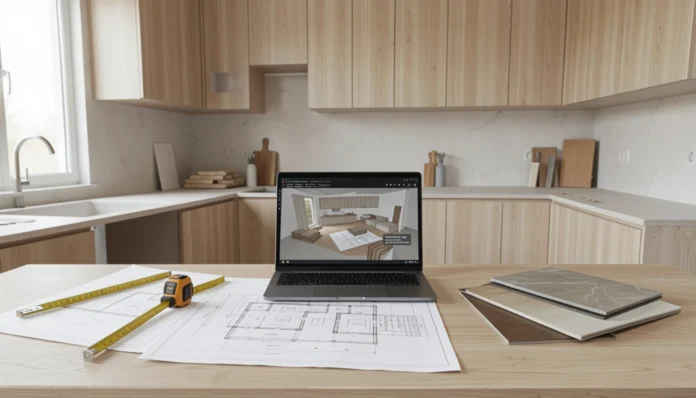
2. Prepare your project plans. For structural, electrical, or plumbing work, you’ll usually need to submit drawings or a site plan. For simpler projects, a description of the work may be enough. Some jurisdictions require drawings stamped by a licensed architect or engineer for structural changes. If your project doesn’t align with local setback or height limits, your contractor may file a zoning variance request, which grants conditional approval before the actual building permit is issued.
3. Submit your permit application. Applications can often be submitted online, in person, or by mail. You’ll describe the scope of work, provide property information, and pay the application fee.
4. Wait for plan review. Depending on your jurisdiction and project complexity, plan review can take anywhere from a few days to several weeks. Some areas offer expedited review for an additional fee.
5. Receive your permit and post it. Once approved, you’ll receive a permit card or document. Most codes require you to post it visibly at the job site. Keep a copy of the approved plans on site during construction.
6. Schedule inspections. Inspections happen at specific stages of the work — not just at the end. Follow your permit’s inspection schedule carefully.
What to Expect During Inspections
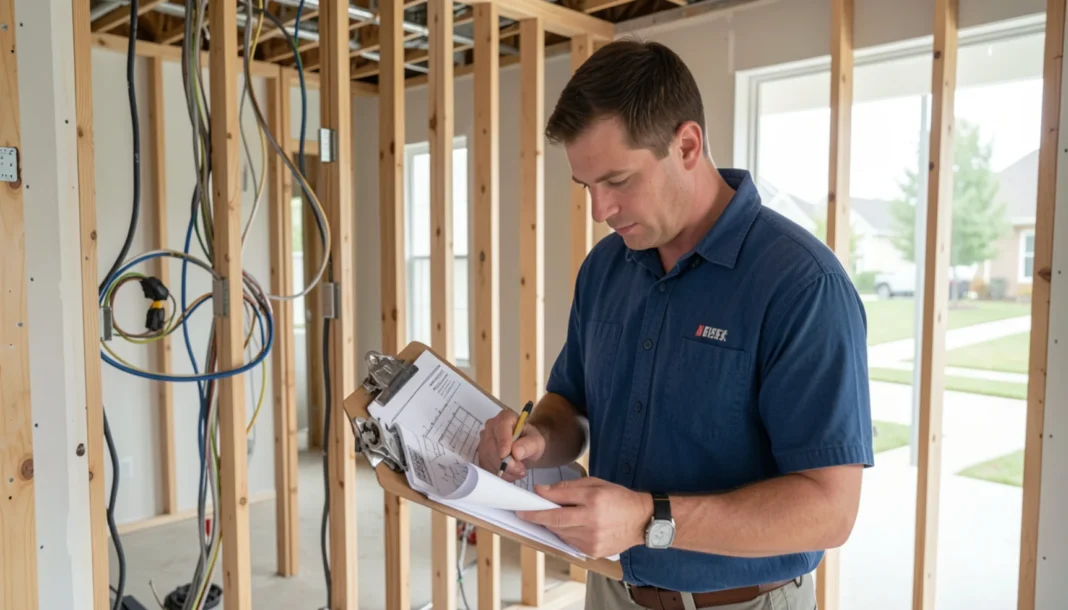
Inspections happen at defined stages of a project, not just when it’s finished. This matters because inspectors need to see work before it’s covered up. For example, a rough-in electrical inspection happens before the drywall goes up, so the inspector can verify wire runs and connections.
Common inspection stages include:
- Footing/foundation inspection — before concrete is poured
- Framing inspection — after structural framing is complete, before insulation
- Rough-in inspection — electrical, plumbing, or HVAC, before walls are closed
- Insulation inspection — before drywall is hung
- Final inspection — once the project is fully complete
Once you clear the final walkthrough, the building department issues a Certificate of Occupancy (CO), legally authorizing the space for use and satisfying lender requirements during sales or refinancing.
If an inspection fails, you’ll receive a correction notice listing what needs to be fixed before re-inspection. This delays the project, but is far better than covering up work that doesn’t meet code.
After a successful final inspection, you may receive a certificate of occupancy for larger projects like additions or full remodels.
Who Pulls the Permit — You or Your Contractor?
This is a common source of confusion. Either the homeowner or the licensed contractor can pull a permit, but the answer matters.
When a contractor pulls the permit, they take legal responsibility for ensuring the work meets code. This is generally the safer path when hiring a professional, and most reputable contractors handle permitting as part of their service. Be cautious of any contractor who suggests skipping a permit or asks you to pull it yourself — that’s often a red flag.
Homeowners can pull their own permits for work they plan to do themselves. Many jurisdictions offer an owner-builder exemption that allows homeowners to act as the general contractor on their own primary residence. However, this typically means you’re personally responsible for ensuring the work meets code and passes all inspections.
If you hire a contractor, always verify that the permit is in their name and that inspections are being scheduled properly. Ask to see the permit before work begins.
FAQs
Does a bathroom remodel need a permit?
It depends on the scope. Replacing fixtures in the same location usually doesn’t. Moving a toilet, adding a shower, or relocating plumbing almost always does.
Can I sell my home with unpermitted work?
You can, but you’re required to disclose it in most states. Buyers, lenders, and their inspectors may require the work to be permitted or removed before closing.
How long does a permit stay valid?
Most permits expire if work doesn’t begin within 6 to 12 months, or if there’s a gap of more than 6 months between inspections. Check your local rules.
What if my contractor did unpermitted work?
Document everything and contact your local building department. You may need a retroactive permit or, in some cases, have the work redone. This is also a potential basis for a contractor dispute or complaint with your state licensing board.
Do I need a permit to replace my roof?
In many jurisdictions, yes — especially if you’re replacing decking or making structural repairs. A simple shingle-over may be exempt in some areas. Check locally before starting.
Final Thought
Permits exist to protect your home, your family, and your investment. The process is rarely as complicated as it seems, and the cost is almost always modest compared to the risk of skipping one. When in doubt, call your local building department — they’re generally more helpful than homeowners expect, and a five-minute phone call can save you from a very expensive problem later.