Not every renovation pays you back. A $30,000 bathroom splash-out might thrill you, but if it only recovers $18,000 at sale, that’s $12,000 in unrecoverable spending. Others look modest but consistently deliver returns that beat the cost. If you’re spending real money on your home — whether before a sale or just to protect long-term value — knowing which projects are worth it can save you thousands.
This guide ranks the best home improvement projects by return on investment, based on patterns from the Remodeling Magazine Cost vs. Value Report and the National Association of Realtors’ Remodeling Impact Report. Where exact figures vary by region, that’s noted clearly.
How ROI Works in Home Improvement
What ‘High ROI’ Really Means: Getting Your Money Back vs. Winning the Buyer’s Heart
When people say a project has “high ROI,” they usually mean one of two things. Cost recovery refers to how much of your renovation cost comes back in your sale price — for example, spending $4,000 on a garage door and recovering $3,800 at closing. Perceived value, on the other hand, is how much more attractive your home becomes to buyers, which can reduce time on market or prevent price negotiations even if it doesn’t show up cleanly in the appraisal.
Both matter. A bathroom remodel might only recover 65–70% of its cost in dollar terms, but it may be the reason a buyer chooses your home over a comparable one priced $10,000 lower.
Does Your Neighborhood Cap Your Returns?
One point most renovation guides skip: your neighborhood sets a ceiling on what your home can sell for, regardless of what you put into it. Spending $80,000 on a full kitchen renovation in a neighborhood where homes max out at $250,000 is rarely smart. The best ROI projects are ones that bring your home up to — but not significantly beyond — the standard of comparable homes nearby.
Before starting any major project, use Zillow’s Home Value Explorer to pull 3–5 recent comparable sales in your ZIP code and see where you stand. That context changes everything.
Top Home Improvement Projects for ROI in 2026: Ranked by Return
1. Garage Door Replacement
- Estimated cost: $1,200–$2,500
- Typical cost recovery: 90–100% (varies by region)
- Difficulty: Professional recommended
- Time: 1 day
Garage door replacement consistently ranks as one of the highest-returning projects in the Cost vs. Value report — and the reason is straightforward. The garage door is often one of the largest visual elements on the front of a home. A worn, dated door makes the whole exterior look neglected. A new steel or composite door with modern paneling and insulation immediately improves curb appeal and signals that the home has been well-maintained.
This is not a typical DIY project. Garage door spring systems are under significant tension and can cause serious injury if handled incorrectly. Hire a licensed installer and factor that into your budget.
→ Next step: Get 3 localized quotes via Angi or HomeAdvisor to compare installer pricing in your ZIP code.
2. Entry Door Replacement (Steel)
- Estimated cost: $800–$2,000 installed
- Typical cost recovery: 75–90% (varies by region)
- Difficulty: Intermediate DIY or professional
- Time: Half day to full day
A steel entry door is one of the most cost-efficient improvements you can make to a home’s exterior. It improves security, energy efficiency, and first impressions simultaneously. Buyers notice the front door — it’s the first thing they interact with physically. A solid, well-fitted steel door with quality hardware communicates that the home is secure and cared for.
Choose an ENERGY STAR-certified steel door to maximize energy savings—look for the blue label when comparing models.
Fiberglass doors are also worth considering if you want the look of wood without the maintenance. Either way, match the style to your home’s architecture rather than choosing purely on price.
→ Next step: Before hiring, compare 3+ licensed installer quotes on Angi to ensure competitive pricing in your local market.
3. Minor Kitchen Remodel
- Estimated cost: $15,000–$25,000 (midrange, professional)
- Typical cost recovery: 75–85% (varies by region)
- Difficulty: Advanced DIY or professional
- Time: 2–6 weeks
The kitchen is the room buyers scrutinize most. But there’s an important distinction between a minor and a major kitchen remodel — and it dramatically affects your return.
A minor remodel means keeping the existing layout and footprint while refreshing the surfaces: new cabinet fronts or a coat of paint, updated hardware, a new countertop (laminate or butcher block rather than high-end stone), a modern faucet, and updated lighting. These changes make the kitchen look current without the cost of moving plumbing or reconfiguring the floor plan.
A full gut remodel with custom cabinets, island reconfiguration, and luxury appliances can cost $60,000–$120,000 and typically recovers far less proportionally. Unless your kitchen is genuinely broken — not just dated — a targeted refresh outperforms a full rebuild from an ROI standpoint.
What to upgrade first: cabinet faces and hardware, then countertops, then fixtures.
4. Midrange Bathroom Remodel
- Estimated cost: $12,000–$22,000 (professional)
- Typical cost recovery: 65–75% (varies by region)
- Difficulty: Professional recommended
- Time: 1–3 weeks
Bathrooms rank just below kitchens in buyer priorities. A dated bathroom with cracked tile, old fixtures, or poor lighting can make an otherwise solid home feel neglected.
Think of a midrange bathroom refresh as a strategic glow-up: swap the vanity, modernize fixtures, re-tile the shower surround, and upgrade lighting—no spa budget required. You don’t need a spa-level renovation — you need a bathroom that looks clean, modern, and functional.
Grout cleaning, re-caulking, and fresh paint cost under $500 and can achieve 80% of the visual impact for a fraction of the price. Start there before committing to a full remodel.
DIY note: Tile work is achievable for intermediate DIYers. Plumbing and electrical should be handled by licensed professionals.
5. Deck or Patio Addition
- Estimated cost: $15,000–$35,000 (wood deck, professional)
- Typical cost recovery: 65–80% (varies by region)
- Difficulty: Advanced DIY or professional
- Time: 1–2 weeks
Outdoor living space has become a significant factor in buyer decisions, particularly since 2020. A well-built deck or patio adds usable square footage to the home’s lifestyle value — even though it doesn’t count as a living area in an appraisal.
Pressure-treated wood decks tend to offer better cost recovery than composite (which costs significantly more upfront), though composite requires less maintenance over time. While pressure-treated wood offers better upfront ROI, brands like Trex provide low-maintenance composite options if you plan to stay long-term. If you’re building to sell in the near term, a clean pressure-treated deck at a lower price point often makes more financial sense.
Make sure any deck addition is permitted and built to local code. Unpermitted structures can become a deal-breaker during inspection.
6. Attic Insulation
- Estimated cost: $1,500–$4,000 (professional blown-in insulation)
- Typical cost recovery: 80–100% (varies by region)
- Difficulty: DIY possible, professional preferred
- Time: 1 day
Attic insulation is one of the few projects that pays back through both energy savings and resale value. Bringing insulation to DOE-recommended R-38–R-60 levels may qualify for the Inflation Reduction Act’s $1,200 annual energy efficiency tax credit—check IRS Form 5695. This reduces heating and cooling costs, prevents ice dams in cold climates, and is a point that comes up on energy audits and buyer inspections.
It’s not a glamorous upgrade, but buyers today are increasingly aware of utility costs and energy efficiency. An energy-efficient home is a less expensive home to own — and that resonates at the negotiating table.
7. Curb Appeal Landscaping
- Estimated cost: $3,000–$10,000 (professional landscaping)
- Typical cost recovery: 70–80% (varies by region)
- Difficulty: Beginner to intermediate DIY
- Time: Weekend to several weeks, depending on the scope
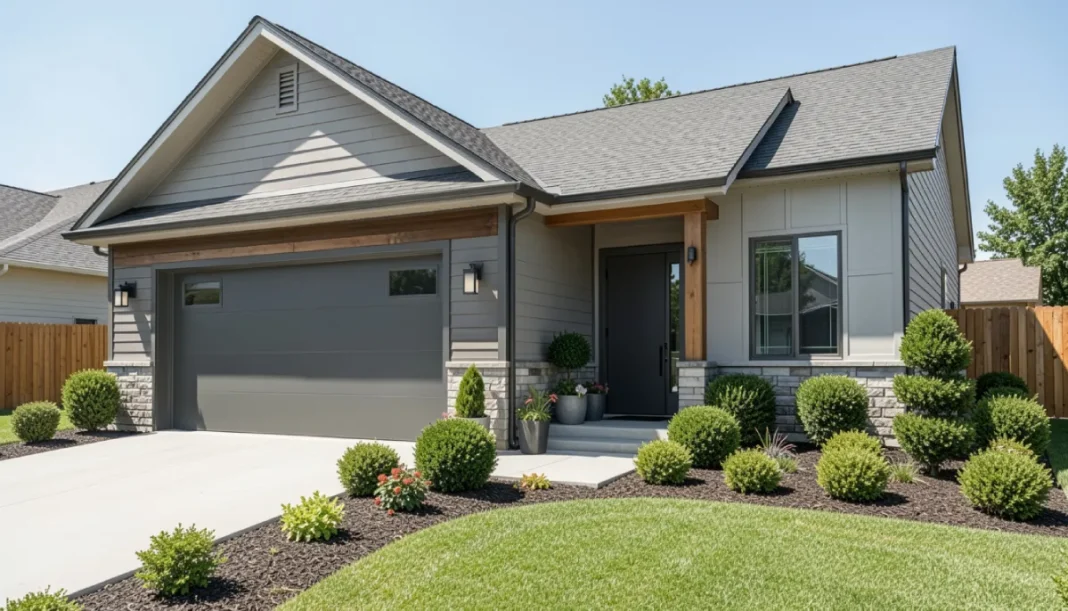
The exterior of your home is the first thing every potential buyer sees — in person and in listing photos. Curb appeal improvements don’t need to be elaborate. Mulched beds, trimmed shrubs, a defined walkway, fresh sod or lawn repair, and a few well-placed perennials or foundation plantings create a strong first impression for a reasonable investment.
Overgrown trees near the foundation or roof, by contrast, can raise red flags during inspection. If you have mature trees close to the structure, an arborist assessment is a worthwhile investment before listing.
DIY opportunity: Lawn care, mulching, and basic planting are well within beginner reach. Hardscaping (stone walkways, retaining walls) benefits from professional installation.
8. Basement Finishing
- Estimated cost: $25,000–$60,000+ (professional, depending on scope)
- Typical cost recovery: 60–75% (varies by region)
- Difficulty: Advanced, professional recommended
- Time: 4–12 weeks
A finished basement adds livable square footage, which appraisers count differently from unfinished space. The return varies considerably based on your local market and how buyers in your area value basements (in some regions, a finished basement is expected; in others, it’s a bonus).
The most important consideration before finishing: moisture. Any water intrusion, humidity issues, or history of flooding must be fully addressed before framing begins. Building finished walls over a damp foundation is a liability that will surface during inspection and can cost far more to remediate later.
Permitted work is critical here. Unpermitted electrical, egress windows, or bedroom spaces can create serious problems at closing.
Projects That Rarely Deliver Strong ROI
Some renovations feel like obvious improvements, but consistently underperform when measured against their cost:
- Luxury master suite additions — Adding square footage through a high-end addition is expensive and rarely recovers more than 50–60% of cost in most markets.
- Swimming pools — In most U.S. climates outside the Sun Belt, pools are a personal preference item that many buyers view as a maintenance liability. They rarely add value proportional to their cost.
- High-end specialty rooms — Wine cellars, home theaters, and custom gyms appeal to a narrow buyer audience and can actually reduce your pool of potential buyers.
- Over-improving for the neighborhood — Putting $50,000 granite and custom millwork in a $200,000 neighborhood ensures you’ll leave money on the table.
DIY vs. Professional
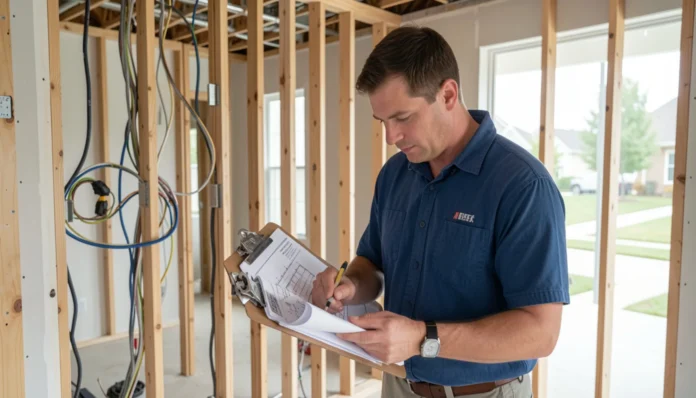
DIY can slash costs—until a botched tile job or unpermitted wire forces you to pay twice. Know your limits before you start. Poorly executed DIY tile work, uneven drywall, or non-code-compliant electrical can actually lower your home’s perceived value and create issues at inspection.
A good rule: DIY work that’s invisible or easily corrected is lower risk. Painting, basic landscaping, cabinet hardware replacement, and simple fixture swaps are solid DIY territory. Structural work, plumbing, electrical panel work, and anything requiring a permit should involve licensed professionals.
Skip the permit? That ‘small’ oversight could cost you thousands at closing—or kill the deal entirely. Work done without required permits can complicate or kill a sale when the buyer’s inspector flags it.
How to Prioritize Renovation Projects Before Selling
If you’re preparing to sell and have a limited budget, sequence your projects by visible impact first, then structural soundness, then cosmetic depth.
Start by addressing anything that will fail inspection: an aging roof, an outdated electrical panel, HVAC systems near the end of life, or moisture issues. These aren’t glamorous, but a buyer’s inspector will find them, and they’ll cost you more in negotiation than fixing them upfront.
Next, focus on exterior presentation. Garage door, entry door, paint, and landscaping create the first impression that gets buyers through the door. Then address the kitchen and bathrooms — but at the refresh level, not the full gut level, unless they’re genuinely in disrepair.
Save major additions and luxury upgrades for situations where you’re staying in the home long enough to enjoy them personally. The ROI on enjoyment is real, too — it just doesn’t show up in a closing statement.
FAQs
What home improvement project has the highest ROI?
The home improvement project with the highest ROI in 2026 is garage door replacement, with 90–100% cost recovery according to Remodeling Magazine’s 2026 report. Steel entry door replacement and attic insulation also deliver strong cost recovery.
Does a kitchen remodel add value to a home?
Yes — but the type of remodel matters significantly. A minor kitchen refresh (new cabinet faces, countertops, fixtures) typically recovers 75–85% of its cost. A full gut remodel in a mid-priced home often recovers far less proportionally.
Should I finish my basement before selling?
It depends on your market and the condition of the space. If the basement is dry, permitted work is feasible, and comparable homes in your area have finished basements, it can be worthwhile. If moisture is an issue, address that first — or leave the space unfinished rather than risk concealing a problem.
How much does curb appeal affect home value?
Here’s the bottom line from NAR: nail your curb appeal, and you could add 5–10% to what buyers are willing to pay—plus get them through the door faster. It also affects whether buyers want to step inside at all.
What renovations do buyers care about most?
According to NAR survey data, buyers most consistently prioritize kitchen condition, bathroom condition, roof age, HVAC condition, and overall maintenance signals. Cosmetic improvements matter, but buyers are increasingly sophisticated about looking past paint to structural and mechanical systems.