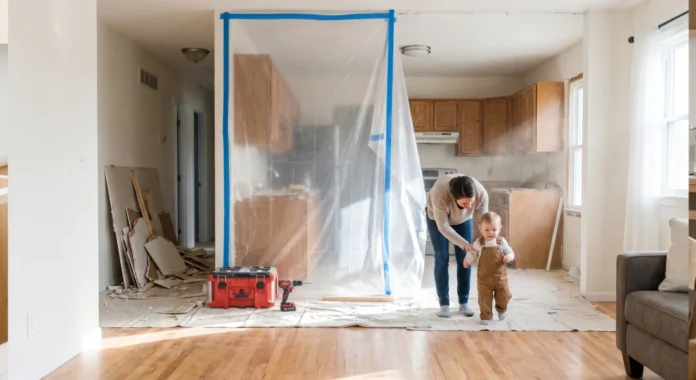
Want to age safely in your own home? With 1 in 4 seniors falling annually (CDC), strategic aging-in-place home modifications aren’t optional—they’re essential. Here’s your room-by-room blueprint to prevent falls, maintain independence, and protect your biggest investment.
This guide covers the specific modifications that matter most, room by room, with real cost ranges, difficulty ratings, and guidance on what you can do yourself versus what needs a licensed professional.
What “Aging in Place” Actually Means
Aging in place lets you stay in the home you love—safely and on your own terms—even as mobility, vision, or strength shift over time. No assisted living move required. Key principles:
- Modifications are subtle, not institutional
- Changes work for all household members
- Proactive upgrades cost less than crisis reactions
Think of it as design that works for everyone—grandparents, kids, and guests—so your home stays functional for everyone without looking like a hospital.
The smart move? Make these changes before a fall happens—not after.
Start With an Occupational Therapist Assessment
Before spending money, consider hiring a certified occupational therapist (OT) for a home safety assessment. An OT evaluates how a specific person moves through a specific home and recommends targeted changes — rather than a generic checklist.
A $150–$500 occupational therapist home assessment (often covered by Medicare Advantage plans) can save $3,000+ by pinpointing exactly which aging-in-place home modifications you need—and which expensive upgrades you can safely skip.
If you prefer a DIY starting point, use AARP’s HomeFit Guide alongside CDC’s STEADI fall risk assessment tool to identify your home’s highest-priority hazards before calling a professional.
Before committing to structural changes, use free 3D planning tools like MagicPlan or RoomSketcher to visualize doorway widening or ramp placement—helping you communicate clearly with contractors and avoid costly change orders.
If you’d rather start independently, focus first on the bathroom, entryways, and bedroom — the three areas responsible for most fall-related injuries at home. For a printable room-by-room audit tool, download AARP’s free HomeFit Guide, which walks you through the same safety checks an occupational therapist would prioritize.
Entryway and Exterior Modifications
The front door is often where accessibility breaks down first. Steps, narrow thresholds, and round doorknobs are all barriers for someone using a walker, a cane, or a wheelchair.
No-Step Entry and Ramps
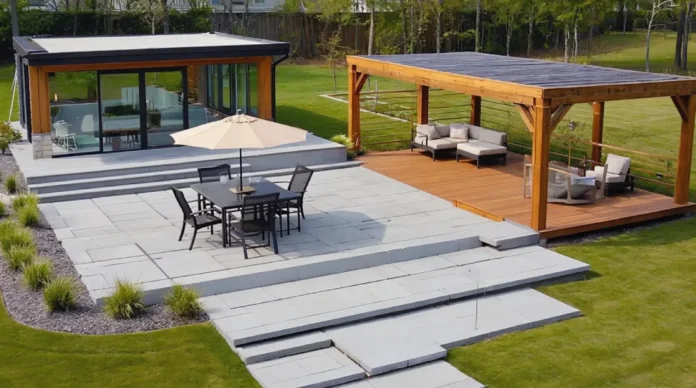
A zero-threshold entry — meaning no step at the door — is the single most important exterior modification. If eliminating a step isn’t structurally possible, a modular aluminum ramp is a practical alternative.
- Ramp slope standard: 1 inch of rise per 12 inches of run (ADA guideline)
- A door with a 6-inch step requires a 6-foot ramp minimum
- Modular aluminum ramps cost $100–$200 per linear foot installed
- Permanent concrete ramps cost more but last longer: $1,500–$5,000, depending on size
Difficulty: Modular ramps — Beginner/DIY-friendly. Permanent concrete — requires a contractor.
Door Hardware and Width
Standard interior doorways are 28–30 inches wide. A wheelchair requires at least 32 inches clear (36 inches is preferred). When planning doorway widths, reference ANSI A117.1—the residential accessibility standard that complements ADA guidelines for precise, code-compliant measurements. Widening doorways involves moving door frames and sometimes structural elements — this is a job for a licensed contractor.
Swap round doorknobs for lever-style handles throughout the home. Lever handles are easier to operate with limited grip strength and cost $20–$80 per handle — a straightforward DIY replacement.
Cost to widen one doorway: $300–$2,500, depending on whether it’s a load-bearing wall.
Bathroom Modifications (The Highest Priority Room)
Since most home falls happen in the bathroom, it’s also where your safety upgrades will have the biggest impact—starting with grab bars and better lighting. A full accessible bathroom remodel can run $8,000–$20,000, but targeted upgrades can be done for far less.
Grab Bars — Placement and Installation
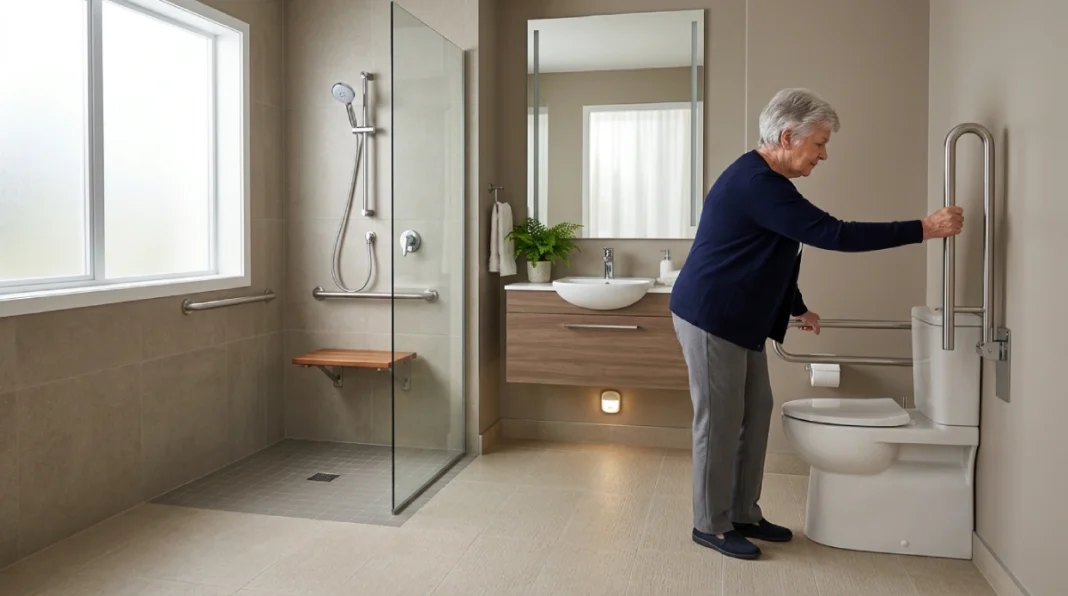
Choose ADA-compliant grab bars (1.25–1.5 inch diameter, 250–500 lb capacity) for toilet and shower areas—these meet federal accessibility standards and give you confidence the hardware won’t fail when you need it most.
Key installation facts:
- Bars must be anchored into wall studs or solid blocking — drywall alone will not hold
- If studs aren’t in the right position, install backing boards inside the wall during any bathroom renovation
- Standard grab bar diameter: 1.25–1.5 inches (allows a firm grip)
- Weight capacity: look for bars rated to 250–500 lbs
Placement guidelines:
- Toilet: One bar on the side wall at 33–36 inches from the floor; a second bar on the back wall if space allows
- Shower/tub: One vertical bar at the entry, one horizontal bar on the back wall at seated height (33–36 inches)
Cost: $30–$150 per bar (materials); $200–$500 installed by a contractor per location.
DIY feasibility: Yes, if you can locate studs and use a drill confidently. Use a stud finder, a level, and stainless steel screws rated for the application. This is a beginner-to-intermediate DIY project.
Roll-In Shower vs. Walk-In Tub
This is the most common question in accessible bathroom planning, and the answer is clear: a roll-in (barrier-free) shower is almost always the better choice for long-term accessibility.
Bottom line: For long-term accessibility and resale value, a roll-in shower beats a walk-in tub—no threshold to trip over, wheelchair-friendly, and no waiting for drainage.
| Feature | Roll-In Shower | Walk-In Tub |
|---|---|---|
| Wheelchair accessible | Yes | No |
| Fall risk | Low (no threshold) | Moderate (must step over lip) |
| Exit while wet | Not an issue | Must wait for the tub to drain |
| Cost | $3,000–$10,000 | $2,000–$10,000 |
| Resale appeal | Higher | Lower |
Walk-in tubs get heavy marketing push, but here’s the catch: you climb in, wait for it to fill, then sit there cooling down while it drains. For joint pain or temperature sensitivity? That’s a dealbreaker.
A roll-in shower with a fold-down teak bench and a handheld showerhead on a sliding bar is more functional and more future-proof.
Handheld showerhead cost: $40–$200 — a straightforward DIY swap.
Toilet Height and Comfort Height Upgrades
Standard toilets sit at 15 inches from the floor to the seat. For someone with limited knee or hip mobility, this requires significant effort to sit and stand. Comfort height toilets (also called ADA-height) sit at 17–19 inches — a meaningful difference.
Options:
- Replace the toilet with a comfort height model: $200–$600 for the fixture + $150–$300 for plumber installation
- Add a raised toilet seat, $25–$80, fits over existing toilet, no installation needed — good temporary solution
Flooring and Faucet Changes
Replace slippery floor tile with textured or slip-resistant tile (look for a Dynamic Coefficient of Friction (DCOF) rating of 0.42 or higher for wet areas). A bathroom floor tile replacement costs $800–$3,000, depending on size.
Replace twist faucet handles with lever or sensor faucets. Single-handle lever faucets cost $80–$300 and are a straightforward DIY replacement with basic plumbing knowledge.
Kitchen Modifications for Accessibility
Kitchen modifications focus on reach, visibility, and the ability to work from a seated position if needed.
Counter Height and Pull-Out Shelves
The standard counter height (36 inches) is difficult to use from a wheelchair. A lowered section at 28–34 inches with open knee space underneath allows seated work. This is a structural modification — budget $1,500–$5,000 depending on scope.
Less expensive alternatives:
- Pull-out shelves and drawers in base cabinets eliminate the need to bend and dig: $50–$200 per shelf installed
- Lazy Susans in corner cabinets improve access to items in the back
- D-ring or loop cabinet pulls replace knobs for easier grip: $5–$20 each
Appliance and Hardware Adjustments
- A side-opening oven or a wall oven at counter height eliminates bending to reach a low oven rack — important for preventing burns
- A front-control or side-control cooktop keeps controls within reach and away from hot burners
- Install a pull-out faucet with a lever handle — reduces reaching over a deep sink
Appliance replacements are the highest cost here. Budget $800–$3,000 for an accessible oven or cooktop, depending on brand and installation.
Bedroom Modifications
The bedroom is simpler than the bathroom, but a few targeted changes matter:
- Bed height: The ideal transfer height is 20–23 inches from floor to mattress top. Bed risers ($20–$60) or a different bed frame can fix this.
- Bedside lamp or motion-activated nightlight: Critical for nighttime navigation without turning on overhead lights
- Clear floor path: A minimum 36-inch clearance around the bed for walker or wheelchair access
- Closet organization: Pull-down closet rods ($50–$150) bring hanging clothes to a reachable height
If the bedroom is on an upper floor and stairs become a barrier, the options are stair lift installation ($3,000–$10,000) or converting a main-floor room into a bedroom — the lower-cost and often better long-term solution.
Lighting and Flooring Throughout the Home
Poor lighting is one of the most underestimated fall risks. A 75-year-old needs roughly three times more light to see as well as a 20-year-old at the same distance.
Lighting upgrades:
- Replace 60W-equivalent bulbs with 100W-equivalent LEDs in key areas
- Install motion-sensor night lights in hallways, bathrooms, and at stair landings
- Add illuminated rocker switches (glowing when off) so switches are visible in the dark
- Under-cabinet kitchen lighting improves task visibility significantly
- Pair motion sensors with voice assistants like Amazon Alexa or Google Home to control lights, locks, or thermostats without reaching switches—critical for limited mobility days
Cost: Most lighting upgrades are $20–$200 per area and are beginner-level DIY projects. Recessed lighting installation requires an electrician: $100–$200 per fixture installed.
Flooring:
- Remove or secure loose rugs — they’re a primary tripping hazard
- If replacing flooring, choose low-pile carpet, cork, or slip-resistant vinyl plank over polished hardwood or tile in high-traffic areas
- Add non-slip strips to stair treads: $20–$50 for a full staircase
What Do These Modifications Cost?
Quick cost snapshot: DIY-friendly upgrades like lever handles ($20–$80) and grab bars ($30–$150) deliver high impact for low cost. Major projects like roll-in showers ($3k–$10k) or doorway widening ($300–$2,500) require pro installation. See full breakdown below:
| Modification | DIY Cost | Professional Cost | Difficulty |
|---|---|---|---|
| Lever door handles | $20–$80/handle | $40–$120/handle | Beginner |
| Grab bars (per location) | $30–$150 | $200–$500 | Beginner–Intermediate |
| Raised toilet seat | $25–$80 | N/A | Beginner |
| Comfort height toilet | $200–$600 (parts) | +$150–$300 labor | Intermediate |
| Handheld showerhead | $40–$200 | N/A | Beginner |
| Roll-in shower conversion | Not recommended DIY | $3,000–$10,000 | Advanced/Pro |
| Modular ramp | $500–$2,000 | $1,000–$3,000 | Beginner |
| Doorway widening | Not recommended DIY | $300–$2,500 per door | Advanced/Pro |
| Stair lift | Not recommended DIY | $3,000–$10,000 | Pro only |
| Motion sensor lighting | $20–$60/unit | $100–$200/fixture | Beginner |
| Full accessible bath remodel | N/A | $8,000–$20,000 | Pro only |
Tax Credits, Deductions, and Financial Assistance
Most guides gloss over the money part—so let’s cut through the noise and get specific about what you can actually deduct.
Federal tax deduction (not a credit):
Pro tax move: Save receipts for ramps, grab bars, and widened doorways, then reference IRS Publication 502 when filing. With a physician’s note documenting medical necessity, these aging-in-place home modifications may qualify as deductible medical expenses—potentially saving hundreds at tax time. Modifications that increase home value only qualify for the portion that doesn’t add value.
Important: This is a deduction, not a dollar-for-dollar credit. Consult a tax professional before assuming eligibility.
Other funding sources:
- HUD Title I Property Improvement Loans — government-backed loans for home improvements, including accessibility
- USDA Rural Repair and Rehabilitation Grant — for low-income rural homeowners over 62; grants up to $10,000
- State and local programs — many states have their own aging-in-place grant programs through Area Agencies on Aging (AAA). Search “[your state] aging in place home modification grant” for current programs.
- VA grants for veterans — the Specially Adapted Housing (SAH) grant and Special Home Adaptation (SHA) grant cover significant modifications for eligible veterans with service-connected disabilities
- Medicaid Home and Community-Based Services (HCBS) waivers — cover some modifications for Medicaid-eligible individuals
DIY vs. Hiring a CAPS-Certified Contractor
Not all contractors understand accessibility work. When hiring for aging-in-place modifications, look for a CAPS-certified contractor — Certified Aging-in-Place Specialist — a designation from the National Association of Home Builders (NAHB) that indicates training in accessibility and universal design.
What you can safely DIY:
- Lever handle replacements
- Grab bar installation (if you’re comfortable with a stud finder and drill)
- Raised toilet seats
- Handheld showerhead swaps
- Motion sensor lighting and switches
- Bed risers and closet organizers
- Non-slip stair strips
What needs a licensed professional:
- Doorway widening (especially load-bearing walls)
- Roll-in shower or wet room conversion
- Comfort height toilet installation (plumbing connections)
- Stair lift installation
- Any electrical panel or circuit work
- Ramp construction with concrete or permanent footings
The risk of DIYing structural or plumbing work isn’t just safety — unpermitted work can affect your homeowner’s insurance and create problems when you sell.
Universal Design vs. Accessibility Retrofits
These two terms get used interchangeably, but they’re different approaches.
Accessibility retrofits
Address a specific current limitation— such as adding grab bars because someone already has mobility issues. They’re reactive.
Universal design
Builds features that work for everyone regardless of age or ability — wider doorways, no-step entries, lever handles, well-lit spaces. These features don’t look medical. According to National Association of Realtors data, homes with universal design features like no-step entries and wider doorways often sell faster and appeal to a broader buyer pool—including millennials planning for aging parents.
If you’re renovating anyway, building in universal design features costs 10–15% more than standard finishes. Retrofitting the same features later typically costs 2–3 times more because you’re undoing existing work.
The practical advice: if you’re remodeling a bathroom or entryway for any reason, design it accessibly the first time.
Aging-in-Place Modification Checklist
Use this as a starting-point audit of your home:
Exterior and Entryways
- No-step or ramped entry at the main entrance
- Lever-style door handle at the front door
- Doorway width is at least 32 inches clear
- Adequate exterior lighting with motion sensors
- Handrails on both sides of any exterior steps
Bathroom
- Grab bar beside toilet (side and/or back wall)
- Grab bar in shower/tub area
- Comfort height toilet or raised seat
- Non-slip flooring or mat secured to the floor
- Handheld showerhead installed
- Roll-in or low-threshold shower (long-term plan)
- Lever faucet handles
Kitchen
- Cabinet hardware changed to loops or D-rings
- Pull-out shelves in base cabinets
- Adequate task lighting under upper cabinets
- Front or side-control appliances
Bedroom
- Bed at correct transfer height (20–23 inches)
- 36-inch clearance path around bed
- Nightlight or motion-sensor lighting
- No loose rugs on the path to the bathroom
Throughout the Home
- Loose rugs removed or secured
- Non-slip strips on stairs
- Hallway lighting adequate at night
- Illuminated light switches in key areas
- Main living areas accessible without stairs (or stair lift in place)
Pro Tip: For maximum search visibility, implement FAQPage schema for the Q&A section and HowTo schema for DIY installation steps (e.g., grab bar placement). This helps Google display rich results and increases CTR by up to 30% for eligible queries. Reference Schema.org and Google Search Central for implementation guidance.
FAQs (Optimized for Rich Results)
Note: We’ve structured these Q&As for FAQPage schema—helping Google display them directly in search results.
Q. What are the most important aging-in-place home modifications?
Grab bars in the bathroom, a no-step entry, lever door handles, and improved lighting cover the highest-risk areas first. If the budget is limited, start with the bathroom — it’s where most falls happen.
Q. How much does an accessible bathroom remodel cost?
A full accessible bathroom remodel runs $8,000–$20,000. Targeted upgrades like grab bars and a comfort height toilet can be done for $500–$1,500, depending on whether you DIY or hire out.
Q. Can I install grab bars myself?
Yes, if you can locate wall studs with a stud finder and use a drill confidently. The bars must anchor into studs or solid blocking — never into drywall alone — or they’ll fail under load.
Q. What home modifications qualify for tax credits?
Medically necessary modifications — documented by a physician — may qualify as deductible medical expenses under IRS Publication 502. These include ramps, grab bars, and widened doorways. It’s a deduction, not a credit, so the actual savings depend on your income and total medical expenses.
Q. Does Medicare pay for grab bars or bathroom modifications?
Original Medicare typically doesn’t cover home modifications, but some Medicare Advantage plans offer limited allowances for safety upgrades. Always check your plan details or consult a benefits specialist.
Q. How can low-income seniors fund accessibility upgrades?
Explore USDA Rural Repair grants (up to $10k for homeowners 62+), state Area Agencies on Aging programs, and VA Specially Adapted Housing grants for eligible veterans.
Q. What is universal design in home renovation?
Universal design means building features that work for everyone regardless of age or ability — wider doorways, lever handles, no-step entries. Unlike accessibility retrofits, it’s proactive and blends into normal home design without looking medical.
Q. How wide do doorways need to be for a wheelchair?
A minimum of 32 inches clear width is required, though 36 inches is the preferred standard. Most standard interior doorways are 28–30 inches, so widening is often necessary.
Q. Is a walk-in tub or a roll-in shower better for aging in place?
A roll-in shower is the better long-term choice. Walk-in tubs require you to sit inside while it fills and drains — leaving you in cooling water — and they don’t accommodate wheelchairs. A roll-in shower with a fold-down bench and handheld showerhead is safer and more practical.