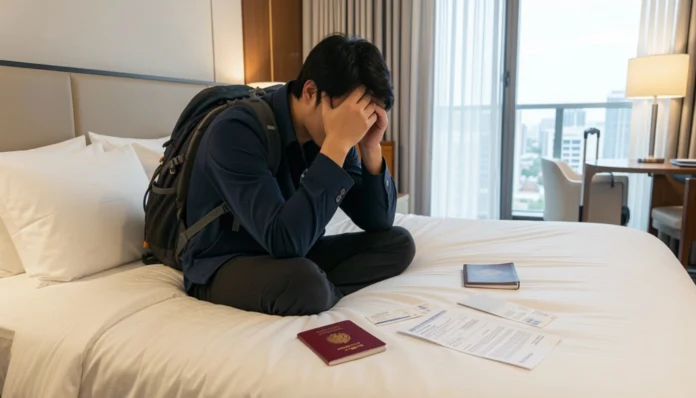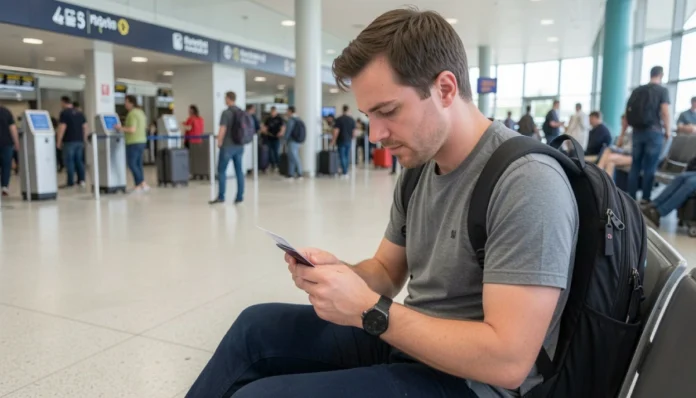
You’re at the airport, bag zipped and tagged, ready to go — and somewhere between security and your gate, it hits you. Did you pack your phone charger? Your passport? That one adapter you bought specifically for this trip? This is exactly why a smart packing list by trip type matters.
Most travel stress doesn’t start at the destination. It starts with the suitcase. Packing feels simple until you’re standing in a pile of clothes the night before, not sure what stays and what goes.
This travel packing list cuts through the guesswork. Whether you’re heading out for a quick weekend, a few weeks abroad, or your first international trip, you’ll find exactly what you need — organized by category and trip type.
Why Most People Pack Wrong (And What It Costs Them)
Overpacking is the most common packing mistake, and it’s an expensive one. Airlines like Ryanair (strict 10kg carry-on limit), EasyJet (prioritizes paid seat selection for overhead bin access), and Southeast Asian budget carriers like AirAsia charge anywhere from $30 to $80 per checked bag, each way. A round trip with one overweight bag can quietly add $150+ to a trip you carefully budgeted.
Beyond fees, heavy luggage slows you down — especially if you’re moving between cities, using public transport, or staying in places without elevators.
Underpacking has its own costs, too. Buying a forgotten item abroad isn’t always convenient, and in tourist areas, prices for basics like sunscreen, adapters, or over-the-counter medicine can be two to three times higher than at home.
Forget packing your entire closet. The real win? Bringing only what you’ll actually use — and leaving the rest behind.
The Core Travel Packing List Every Trip Needs
No matter where you’re going or how long you’ll be gone, every trip shares a common foundation. Start here, then layer in trip-specific items.
Travel Documents & Money
These are non-negotiable. Losing a document abroad is a serious problem — keep physical and digital copies of everything.
- Passport (valid for at least 6 months beyond travel dates)
- Visa (if required — check well in advance)
- Flight and hotel confirmation printouts or screenshots
- Travel insurance policy number and emergency contact (providers like World Nomads for adventure travel or SafetyWing for digital nomads offer flexible, claim-friendly coverage)
- Local currency (a small amount for arrival)
- Debit/credit card with low or no foreign transaction fees
- Driver’s license (if renting a vehicle)
- Vaccination records (required in some countries)
A pro tip many first-timers skip: email yourself copies of your passport, insurance, and bookings before you leave. If your phone and bag are both stolen, you can still access them from any device.
Clothing Essentials
Pack for the weather, not the hypothetical. A jacket “just in case” takes up more space than almost anything else in your bag.
- Tops: 2–3 versatile pieces that can be layered or dressed up
- Bottoms: 2 pairs (one casual, one for nicer settings)
- Underwear and socks: one pair per day, plus one extra
- Sleepwear: one set
- Shoes: wear your bulkiest pair on the plane; pack one lighter option
- Light jacket or cardigan (for air-conditioned spaces, evening temperatures)
- Swimwear (if relevant to the destination)
Stick to neutrals — black, navy, gray — because they mix effortlessly and won’t show that coffee spill on day three. Apply a capsule wardrobe approach: choose 3-4 neutral tops that mix with 2 bottoms, creating 6+ outfit combinations from minimal pieces.
Toiletries & Personal Care
This is where most people overpack. Full-size bottles are heavy, often unnecessary, and restricted on carry-on flights.
- Toothbrush, toothpaste, floss
- Shampoo and conditioner (travel-size or solid bars)
- Body wash or soap
- Deodorant
- Skincare basics (cleanser, moisturizer, SPF)
- Razor
- Feminine hygiene products (if needed)
- Nail clippers and tweezers
- Lip balm
TSA/carry-on rule: Liquids must be in containers of 100ml or less, placed in a single clear, resealable bag. Solid toiletries (shampoo bars, solid deodorant) bypass this rule entirely and last longer.
Tech & Gadgets
- Phone + charger
- Universal travel adapter (like the EPICKA Universal Adapter or Ceptics World Travel Adapter, covering 150+ countries) — especially critical for international trips
- Power bank (10,000mAh covers 2–3 full phone charges)
- Earbuds or headphones
- Laptop or tablet (if needed)
- Camera (if you prefer over phone photography)
- E-reader (lighter than carrying books)
- Cables and a small cable organizer
First time traveling abroad? Don’t learn the hard way: a universal adapter saves you from hunting for chargers in a foreign airport at 2 AM. Outlet types vary across Europe, Asia, Africa, and the Americas — one adapter that handles multiple plug types is worth every penny.
Health & Safety
- Any prescription medication (in original packaging, with a doctor’s note if flying internationally)
- Pain relievers (ibuprofen or paracetamol)
- Antidiarrheal medication
- Antihistamines
- Bandages and antiseptic wipes
- Insect repellent (for tropical or rural destinations)
- Sunscreen (SPF 30+)
- Hand sanitizer
- Face masks (useful for long flights and high-traffic areas)
Heading somewhere with malaria risk, high altitude, or questionable tap water? Book a travel health consult 4-6 weeks out — your future self will thank you.
Packing List by Trip Type
Weekend Trip (1–3 Days)
→ Focus: 2 outfits, mini toiletries kit, carry-on only. Move freely, skip baggage claim.
A weekend trip is where most people learn that a carry-on bag is genuinely enough. The goal: pack in 20 minutes, move freely, skip baggage claim.
What to focus on:
- 2 outfits (wear one, pack one)
- Toiletries mini-kit (you don’t need a full-size anything for 48 hours)
- Documents, cards, phone, charger
- One pair of shoes (the ones you’re wearing)
If you’re flying, a standard 40x20x25cm personal item bag or a 20L backpack handles a weekend trip with room to spare. No checked bag needed — and that alone can save you $40–$60 in fees.
Long Trip (1–3 Weeks)
→ Add: laundry strategy, packing cubes, versatile layers.
Longer trips don’t require proportionally more stuff — they require better choices. The difference between a 1-week and 3-week trip in terms of packing is mostly laundry strategy, not bag size.
What changes:
- Add 1–2 extra outfit options (not one per day)
- Pack a small laundry detergent sheet or sink-wash soap
- Include a second pair of shoes if the trip involves different activities (hiking vs. city walking)
- Add a packing cube set — they compress clothing and keep the bag organized over time
What doesn’t change: toiletries, documents, tech. These stay the same whether you’re gone for 5 days or 21.
For a 2-week trip, most experienced travelers manage with a 40–50L backpack or a carry-on roller. Checking a bag for anything under three weeks is usually a comfort choice, not a necessity.
International Travel
→ Add: universal adapter, offline maps, eSIM research.
International trips add a layer of preparation beyond just what goes in the bag.
Additional items to add:
- Universal power adapter (non-negotiable)
- Offline maps downloaded (Google Maps, Maps.me)
- Translation app (Google Translate with offline language packs)
- Local SIM card plan researched in advance, or an eSIM service like Airalo, Holafly, or Nomad, for instant connectivity without swapping physical cards
- Copies of all travel documents (digital and one physical backup)
- Any required vaccinations are documented
- Travel insurance confirmation with emergency contact number
Research before you pack:
- Customs restrictions at your destination (some countries restrict certain medications, food items, or even specific clothing)
- Local dress norms (especially for religious sites in South Asia, the Middle East, or parts of Europe)
- Weather at arrival — not just the season, but the specific forecast
Carry-On Essentials: What to Keep Within Reach
Whether you’re checking a bag or not, your carry-on should hold everything you’d need if your checked luggage were delayed or lost — which happens more often than airlines admit.
Keep in your carry-on:
- Passport and travel documents
- Any prescription medication (never check these)
- Phone, charger, and power bank
- One change of clothes
- Valuables (camera, jewelry, electronics)
- Snacks and a reusable water bottle (fill after security)
- A light layer (planes are cold)
- Earbuds and something to watch or read
Airlines lose or delay around 6 bags per 1,000 passengers globally. If you’re on a connecting flight, the risk increases. A well-packed carry-on means a delayed bag is an inconvenience, not a disaster.
6 Packing Mistakes Beginners Always Make
- Packing for every possible scenario. You probably won’t need formal shoes, hiking boots, and flip-flops on the same trip. Pack for what you’ll actually do.
- Leave packing for the night before. Give yourself at least two days. You’ll think of things you forgot, and you won’t be rushing to find items at 11 pm.
- Forgetting to check the airline’s bag policy. Budget carriers are strict. Sizes, weights, and fees vary — even between flights on the same booking. Check before you pack.
- Overpacking toiletries. Most hotels and guesthouses provide shampoo, conditioner, and soap. Check your accommodation first.
- Not using packing cubes. Packing cubes compress clothing, keep categories separate, and make repacking mid-trip significantly easier. They cost $15–$30 for a set and are worth it from the first trip.
- Packing items “just in case.” If you can buy it at the destination for a reasonable price, leave it. Save the space.
How to Pack Smarter (Not Just Lighter)
Here’s the truth: packing light doesn’t automatically mean packing smart. You can have a tiny bag and still forget the essentials. Here’s a process that works whether you’re packing a carry-on or a checked bag.
- Start with a list, not your wardrobe. Write down what you need before you open your closet. Opening your wardrobe first leads to “just in case” items finding their way in.
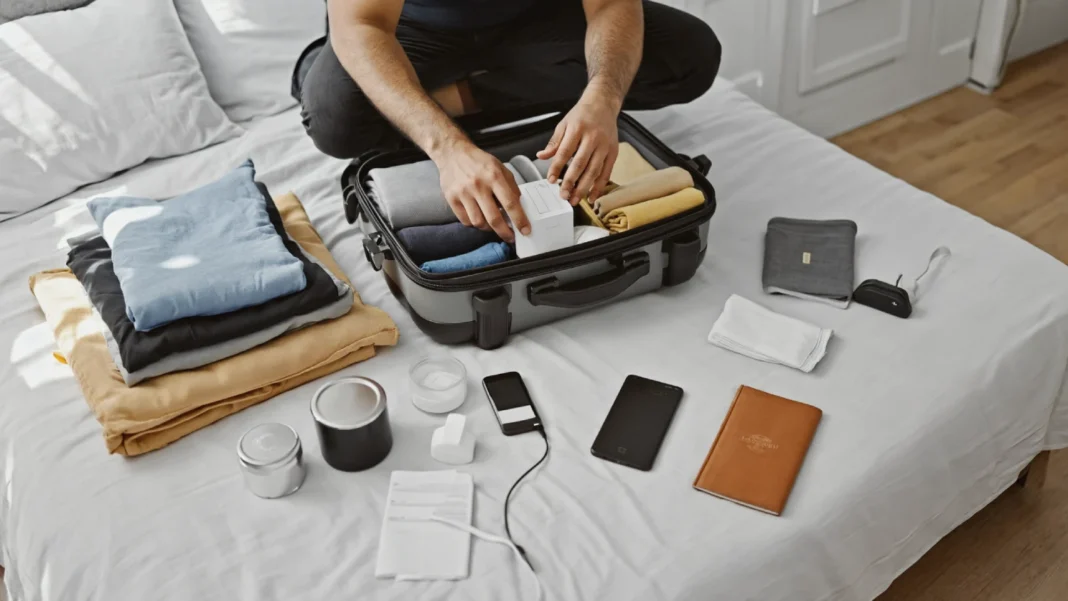
- Lay everything out before it goes in. Put every item on your bed. Look at it. Ask whether you’d genuinely miss it if it wasn’t there. If the answer is no, leave it.
- Use the rolling method for soft clothing. Rolling clothes instead of folding reduces creasing and saves space — especially for t-shirts, jeans, and casual wear.
- Use packing cubes (like Eagle Creek’s Compression Set or Amazon Basics 4-Piece Kit) to compress clothing, keep categories separate, and make repacking mid-trip significantly easier.
- Pack shoes at the bottom, near the wheels. They’re the heaviest items and belong at the base of the bag. Stuff socks inside them to save space.
- Leave room for souvenirs. If you’re going somewhere you’ll want to bring things back from, don’t fill the bag on the way out. A foldable tote bag packed inside your luggage gives you overflow space on the return.
FAQs
Q. What are the absolute essentials I should always pack when traveling, no matter the destination?
Travel documents, a universal adapter, basic medication, a power bank, one change of clothes in your carry-on, and any prescription medication. These cover the most common travel emergencies.
Q. How do I pack for a 2-week trip in one carry-on?
Choose versatile, neutral-colored clothing you can mix and match. Plan to do laundry once mid-trip. Use packing cubes to compress items. Skip full-size toiletries entirely.
Q. What toiletries can I bring on a plane?
Liquids in containers of 100ml or less, placed in a single clear 1-litre resealable bag per passenger. Solid toiletries have no restrictions.
Q. Do I need travel insurance?
Yes, for international trips especially. It covers medical emergencies, trip cancellations, and lost luggage. Basic plans start around $30–$60 for a short trip and are worth far more if something goes wrong.
Q. What’s the best bag for carry-on travel?
A 40L backpack (like the Osprey Farpoint 40 or Tortuga Setout) or a standard carry-on roller with exact dimensions checked against your airline’s policy. Different carriers have different size limits.