A week into a trip through Southeast Asia, a traveler develops a fever on a night bus between cities. Without a thermometer, rehydration salts, or knowledge of nearby clinics, what starts as uncertainty becomes a four-day hospital stay for dengue—a mosquito-borne illness preventable with WHO-recommended repellent protocols and pre-travel risk awareness. They spend four days in a foreign hospital instead of on a beach.
This isn’t an unusual story. Most travel health issues aren’t just bad luck—they happen when we skip a simple two-hour prep session before departure.
This guide gives you a working system: which vaccines you actually need (and which ones you don’t), how to prevent the most common illnesses, what to pack, and exactly what to do if something goes wrong abroad.
Why Travel Health Planning Gets Ignored
Why do travelers skip health prep? Most assume vaccines are only for “extreme” destinations, don’t know travel health clinics exist as separate services, underestimate vaccine lead times, or mistakenly view illness as unavoidable bad luck.
- They assume vaccines are only for “extreme” destinations
- They don’t know a travel health clinic exists as a separate service from a GP
- They underestimate the cost and lead time vaccines require
- They think getting sick abroad is just bad luck, not something you can reduce
Here’s the good news: most travel illnesses are preventable. And even the ones you can’t avoid? They’re way easier to handle when you’ve prepped ahead. The following framework works regardless of your destination — you just calibrate the details.
Step 1 — Book a Travel Health Clinic Appointment Earlier Than You Think
The most important rule in travel health: book your clinic appointment at least 6–8 weeks before departure. Some vaccines require multiple doses spaced weeks apart. Others need time to build immunity. If you wait until two weeks before your trip, you’ve already lost your options for some of the most important ones.
What Happens at a Travel Health Consultation
A travel health clinic is different from a standard GP visit. The clinician reviews your itinerary in detail — countries, regions, accommodation type, activities, trip duration — and gives you a personalized risk profile.
They’ll cover:
- Which vaccines are required for entry vs. strongly recommended
- Your personal health history and how it affects vaccine choices
- Malaria risk zones and which antimalarial fits your itinerary
- Food and water risks specific to your route
- Any current disease outbreaks in your destination (check CDC/WHO travel health notices as of early 2026)
You can find clinics through the CDC’s Traveler’s Health directory (US), WHO’s International Travel and Health portal (global, as of early 2026), the TRAVAX database, or by searching “travel health clinic” with your city. In many countries, pharmacies like Boots (UK) or CVS (US) now offer walk-in travel health services.
How Much Does It Cost?
This is where many travelers get a shock. Travel vaccinations are not cheap, and most are not covered by standard health insurance.
Rough cost estimates (USD, varies by country and clinic; post-pandemic 2026 averages):
| Vaccine | Approximate Cost |
|---|---|
| Hepatitis A | $50–$100 per dose (2 doses) |
| Typhoid | $60–$100 |
| Yellow Fever | $150–$300 |
| Japanese Encephalitis | $200–$400 (3 doses) |
| Rabies (pre-exposure) | $600–$900 (3 doses) |
| Malaria medication (course) | $50–$300, depending on the drug |
Plan to set aside $200–$600 total for vaccines and malaria meds on a typical Southeast Asia or Sub-Saharan Africa trip—it’s a real trip cost, just like your flight. Prices shown in USD; check local clinics via your national health portal (e.g., NHS FitForTravel UK, Health Canada Travel) for region-specific pricing and coverage options.
Understanding Your Vaccine Options — Required, Recommended, and Situational
Not all vaccines are equal from a planning standpoint. They fall into three categories:
Required Vaccines
These are mandatory for entry into certain countries — not optional.
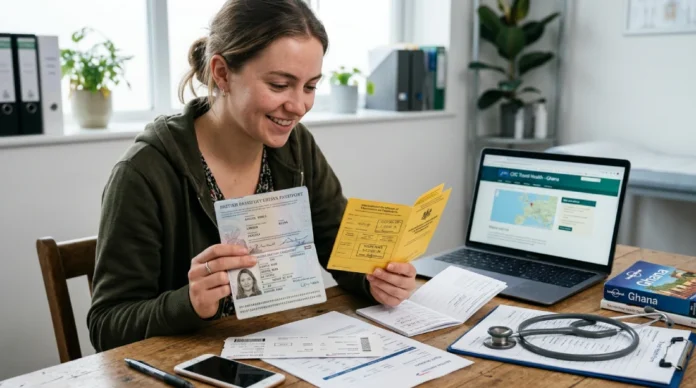
- Yellow Fever vaccination requirements: Required for entry into many Sub-Saharan African and South American countries if you’re arriving from or transiting through a yellow fever endemic country. You’ll need an International Certificate of Vaccination (the “Yellow Card”); many countries now accept the WHO-compliant digital ICVP via the ICAO VDS-NC standard for faster border verification. Without it, you can be denied boarding or entry.
- Meningococcal Meningitis: Required for Hajj/Umrah pilgrims entering Saudi Arabia. Also strongly advised for travel to the “meningitis belt” across central Africa.
- COVID-19: Requirements vary and change — always check the destination country’s official entry requirements within 30 days of travel in 2026.
Recommended Vaccines Most Travelers Skip
These aren’t required for entry but are strongly recommended based on real disease risk:
- Hepatitis A: Transmitted through contaminated food and water. Relevant almost everywhere outside Northern Europe, North America, and Australia. This is one of the most commonly needed travel vaccines.
- Typhoid: Same transmission route as Hepatitis A. Important for South Asia, Southeast Asia, and Sub-Saharan Africa — especially if you’ll eat street food.
- Hepatitis B: Spread through blood and bodily fluids. Relevant if you might receive medical treatment abroad, get tattooed, or engage in any activities with exposure risk.
- Rabies (pre-exposure): Most travelers skip this because of cost. If you’re going somewhere remote where a dog or bat bite could mean a multi-day journey to get post-exposure treatment, it’s worth taking seriously.
Country-Specific Vaccine Planner
Southeast Asia (Thailand, Vietnam, Cambodia, Indonesia):
- Hepatitis A ✓ | Typhoid ✓ | Japanese Encephalitis (rural/long stay) ✓ | Rabies (if remote areas) ✓ | Malaria (varies by region, not Bangkok or major cities)
Sub-Saharan Africa (Kenya, Tanzania, Uganda, Ghana):
- Yellow Fever ✓ (often required) | Hepatitis A ✓ | Typhoid ✓ | Malaria ✓ | Meningitis ✓ (certain regions) | Rabies (if wildlife exposure)
South America (Peru, Bolivia, Colombia, Brazil):
- Yellow Fever ✓ (Amazon regions) | Hepatitis A ✓ | Typhoid ✓ | Malaria (jungle areas) ✓ | Altitude sickness preparation (Peru/Bolivia)
South Asia (India, Nepal, Bangladesh, Pakistan):
- Hepatitis A ✓ | Typhoid ✓ | Japanese Encephalitis (rural India) ✓ | Rabies ✓ | Malaria (varies by region)
Malaria and Mosquito-Borne Illness
Malaria is preventable. The travelers who get it abroad overwhelmingly either skipped antimalarial medication entirely or stopped taking it early because they “felt fine.”
Choosing the Right Antimalarial
Use the CDC’s malaria prophylaxis decision tool or WHO endemicity maps (2026 resistance updates) to match your itinerary with the right medication—factors include destination resistance patterns, trip duration, and your personal health profile. There is no single “best” antimalarial — the right choice depends on your destination, your health, your budget, and how you tolerate side effects:
- Atovaquone/Proguanil (Malarone): Well-tolerated, starts 1–2 days before travel, stops 7 days after. More expensive but the most convenient option for short trips.
- Doxycycline: Cheaper, effective, starts 2 days before. Common side effects include sun sensitivity and nausea. Take with food.
- Mefloquine (Lariam): Weekly dose. Associated with neuropsychiatric side effects in some people — vivid dreams, anxiety. Not recommended for anyone with a history of mental health conditions.
- Chloroquine: Only relevant for the few regions where malaria is still chloroquine-sensitive (parts of Central America). Most malaria is resistant to it.
Your travel health clinician will match you to the right option. Don’t self-prescribe based on cost alone.
Mosquito Prevention Beyond Medication
Antimalarials reduce risk but don’t eliminate it. They also offer no protection against dengue, Zika, or chikungunya, which have no preventive medication.
- Use DEET-based repellent at 30–50% concentration (e.g., Sawyer Products or Repel) on all exposed skin, especially at dawn and dusk
- Sleep under a permethrin-treated bed net if accommodation isn’t fully screened or air-conditioned
- Wear long sleeves and trousers in the evenings in high-risk areas
- Treat clothing with permethrin spray for extended stays in endemic areas
Traveler’s Diarrhea — Prevention, Early Action, and Treatment
Traveler’s diarrhea (TD) affects 30–70% of travelers to high-risk regions, depending on the destination and habits. It’s the most common travel illness by a significant margin.
The cause is usually bacterial — E. coli most often — from contaminated food or water. It’s not just about eating street food. It can come from salad washed in tap water, ice cubes, or raw vegetables in otherwise reputable restaurants.
Food and Water Rules That Actually Work
The old saying — “boil it, cook it, peel it, or forget it” — is still accurate. More specifically:
- Drink bottled or boiled water only; avoid tap water even for brushing teeth in high-risk countries
- Avoid ice unless you’re certain it’s made from purified water
- Eat cooked food that’s served hot; avoid buffets where food sits at room temperature
- Peel all the fruit yourself
- Be especially careful with shellfish, raw salads, and dairy products in countries with inconsistent refrigeration
- Hand hygiene before every meal — carry alcohol gel
These rules sound simple, and they are. Most TD cases happen when travelers relax their precautions after a few days of feeling fine.
What to Carry and When to Use It
Pack these:
- Oral Rehydration Salts (ORS): The single most important item for treating TD. Replaces electrolytes lost through diarrhea and vomiting. Available at pharmacies everywhere, but easiest to pack from home (WHO-formulated packets like DripDrop or Liquid IV).
- Loperamide (Imodium): Reduces the frequency of diarrhea. Useful when you need to travel (airport, long bus journey). Do not use if you have a fever or bloody stools — those indicate bacterial infection that needs to pass.
- Antibiotic (prescription required): Azithromycin or Ciprofloxacin for moderate to severe cases with fever or blood in stool. Your travel doctor can prescribe a “standby” course to carry.
When to see a doctor:
- High fever alongside diarrhea
- Blood in stool
- Symptoms lasting more than 72 hours
- Signs of severe dehydration (dizziness, very dark urine, confusion)
Building Your Travel Medical Kit
You don’t need a pharmacy in your bag — you need a focused kit for the most likely scenarios. Here’s a practical baseline:
Core kit:
- Oral rehydration salts (WHO-formulated packets like DripDrop or Liquid IV)
- Loperamide
- Broad-spectrum antibiotic (standby, prescribed by your travel doctor)
- Antihistamine (for allergic reactions and insect bites)
- Ibuprofen and paracetamol/acetaminophen
- Digital thermometer
- Antiseptic wipes and wound closure strips
- Blister plasters
- Sunscreen SPF 50+
- DEET repellent (30–50%, e.g., Sawyer Products or Repel)
- Any personal prescription medications with extra supply
Add based on destination:
- Altitude sickness medication — Acetazolamide (Diamox) for trips to 3,000m+ (Nepal, Peru, Bolivia). Requires prescription.
- Water purification tablets for remote trekking
- Permethrin spray for malaria-endemic regions
- EpiPen if you have a known severe allergy
Staying Healthy On the Road
Health decisions compound over a trip. These habits are simple but people consistently skip them when tired or enjoying themselves:
- Sleep and rest: Immune function drops significantly with consistent undersleep. Long travel days followed by full itineraries are a setup for illness.
- Hydration: Airplane cabins are extremely dry. Dehydration is one of the main reasons travelers feel unwell in transit. Drink water consistently, especially on long-haul flights.
- Alcohol: A few drinks at altitude or in heat hit harder than at home. It also disrupts sleep quality and suppresses the immune response.
- Sun exposure: Heatstroke and severe sunburn are genuinely dangerous and surprisingly common. Use SPF 50, seek shade between 11am and 3 pm, and wear a hat in tropical climates.
- Mental health: Jet lag, travel stress, and schedule disruption all affect well-being. Don’t underestimate rest days.
What to Do If You Get Sick Abroad
This is the section most guides skip or handle badly. Here’s a working approach.
How to Find Medical Care in an Unfamiliar Country
Start here:
- Your travel insurance emergency line — this should be your first call for anything serious. They can direct you to approved providers and pre-authorize treatment.
- Your country’s embassy or consulate maintains lists of local English-speaking doctors and hospitals.
- IAMAT (International Association for Medical Assistance to Travellers) — maintains a global network of vetted, English-speaking doctors. Free to join, worth doing before you travel.
- Google “international hospital” or “private hospital” in your city — private hospitals in most middle-income countries will have English-speaking staff and clearer pricing than public facilities.
For minor illness:
- A local pharmacy is often your fastest resource for minor issues. Pharmacists in many countries (especially Southeast Asia and South America) have broader prescribing authority than in the West and can handle straightforward cases quickly.
- For minor issues, telemedicine services like Teladoc Travel can connect you with a licensed physician within minutes—ideal for after-hours questions or prescription refills while abroad.
What to carry for any hospital visit:
- Passport
- Travel insurance card and emergency number
- List of your medications and any known allergies
- Emergency contact information
Travel Insurance and Medical Evacuation
Basic travel insurance covering medical treatment is not optional for international travel — it’s a base requirement. Medical costs in countries like the US, Japan, Switzerland, and Australia are extremely high. A single emergency room visit can cost more than your entire trip.
What to check in your policy:
- Does it cover emergency medical treatment? (It should)
- Does it include medical evacuation — transport back to your home country for serious illness? Evacuation alone can cost $50,000–$200,000 without coverage. For frequent travelers, consider Medjet membership for guaranteed medical evacuation to your home-country hospital—often more comprehensive than standard policy evacuation clauses.
- Are pre-existing conditions covered?
- Does it cover adventure activities if you’re trekking, diving, or skiing?
Budget travel insurance with medical evacuation costs roughly $5–$10 per day for most destinations (post-pandemic 2026 averages). There’s no reasonable justification for skipping it.
Travel Health Checklist
6–8 Weeks Before Departure
- Book a travel health clinic appointment
- Start the vaccine series that requires multiple doses
- Get a prescription for any antimalarials or standby antibiotics
- Review travel insurance — confirm medical and evacuation coverage
1–2 Weeks Before Departure
- Complete remaining vaccine doses
- Assemble travel medical kit
- Download the IAMAT app or save local emergency contacts for the destination
- Print or save vaccination certificates (Yellow Card if applicable; many countries now accept digital ICVP via ICAO VDS-NC standard)
- Check for destination-specific disease outbreaks via CDC/WHO alerts or set up real-time notifications with the TravelSafe app for your itinerary (2026 protocol)
During Travel
- Follow food and water safety rules consistently
- Take antimalarial medication on schedule
- Use DEET repellent (30–50%, e.g., Sawyer Products or Repel) in mosquito-risk areas
- Stay hydrated, especially on flights and in the heat
- Know your insurance emergency number
After Return
- See a doctor if you develop fever, diarrhea, or unusual symptoms within 4 weeks of return — tell them where you traveled
- Some diseases (malaria, typhoid) can appear weeks after exposure; don’t dismiss symptoms
Ready to prep? Book your travel health consultation 6–8 weeks before departure—use the CDC clinic finder or IAMAT directory to locate a provider near you today.
FAQs
Q: Do I need travel vaccines for Thailand, Bali, or Kenya? Which are required vs. recommended?
Q. What medications should I carry to treat traveler’s diarrhea — and when do I use them?
Three items cover most situations: Oral Rehydration Salts (ORS) for hydration — use from the first serious episode (WHO-formulated packets like DripDrop or Liquid IV). Loperamide (Imodium) to slow symptoms when you need to travel — skip it if you have a fever or bloody stool. A standby antibiotic (Azithromycin or Ciprofloxacin, prescribed by your travel doctor) for severe cases with fever. See a doctor if symptoms last beyond 72 hours.
Q. Does travel insurance cover medical evacuation, and is it worth it for a short trip?
Evacuation is not covered by default — confirm it’s explicitly in your policy. Without it, an air ambulance can cost $50,000–$200,000 out of pocket. Coverage with medical evacuation runs about $5–$10 per day (2026 averages). For any international trip, skipping it makes no financial sense. Also, check that your policy covers pre-existing conditions and any adventure activities you’re planning.
Q. How much do travel vaccinations cost, and does health insurance cover them?
Most health insurance does not cover travel vaccines — they’re considered elective. Rough costs: Hepatitis A $50–$100/dose, Typhoid $60–$100, Yellow Fever $150–$300, Malaria medication $50–$300. Budget $200–$600 total for a typical trip to Southeast Asia or Africa. Factor this into your trip cost the same way you would flights.