Your roof shields your family, belongings, and home value—yet most homeowners only notice it when water stains appear on the ceiling or a storm exposes missing shingles. A small leak, a few missing shingles, or water stains on the ceiling — these are signals the roof is sending. The question is whether you catch them early enough to repair or late enough that replacement becomes the only option.
This guide walks you through how to inspect your own roof, what the warning signs actually mean, how to decide between repair and full replacement, and what different roofing materials will cost you.
Why Your Roof Deserves Regular Attention
According to the National Roofing Contractors Association (NRCA), most residential roofs in North America last 20–50 years, depending on material quality, installation standards, and local climate exposure. But that lifespan assumes regular maintenance. Neglect a minor issue, cracked flashing, a handful of lifted shingles, and water gets in. Once moisture reaches the decking, insulation, or structural framing, repair costs multiply quickly.
Spend 30 minutes once a year inspecting your roof—and potentially save thousands in emergency repairs. Catching a $300 flashing repair before it becomes a $6,000 decking replacement is exactly the kind of decision this guide helps you make.
How to Inspect Your Roof (Without a Contractor)
A professional roof inspection typically costs $150–$400, and it’s worth doing every few years or after a major storm. But in between, you can do a meaningful check yourself — and you don’t need to climb on the roof to do most of it.
What to Check from the Ground
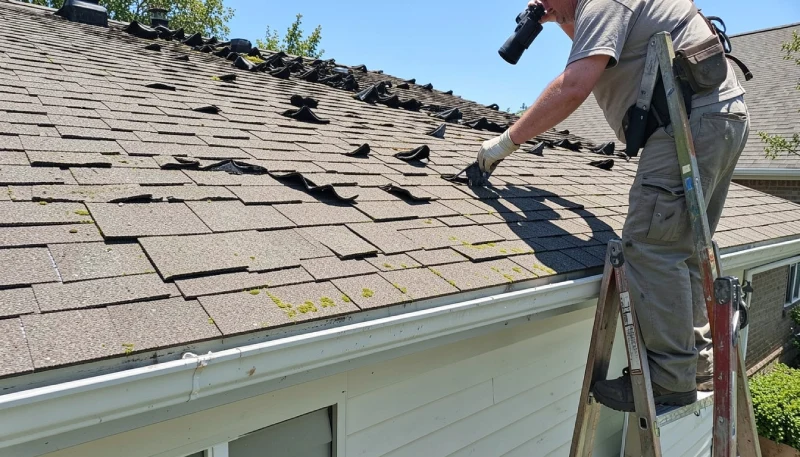
Stand back from your home and use binoculars if needed. You’re looking for:
- Missing, curling, or buckling shingles indicate age or improper ventilation
- Sagging areas, a dip along the ridge line, or between rafters, suggest structural damage
- Debris accumulation, moss, algae, or leaves piling in valleys, accelerates moisture damage
- Damaged or exposed flashing, the metal strips around chimneys, vents, and skylights, are common leak points
What to Check in the Attic
This is often more revealing than looking at the roof itself. Grab a flashlight and look for:
- Daylight coming through the roof boards — a direct sign of gaps or rot
- Water stains or dark streaks on the underside of the decking
- Soft or spongy wood when you press on the decking — this means rot
- Condensation or mold — usually caused by poor ventilation rather than a direct leak
What to Check on the Roof Surface (If Safe)
Only attempt surface checks on dry, low-pitched roofs (<6:12 pitch). Follow OSHA ladder safety guidelines: maintain three points of contact, use a spotter, and never work alone on heights. Wear non-slip footwear and never walk on wet or steep surfaces.
- Check the granules on asphalt shingles — heavy granule loss (often visible in your gutters) signals an aging roof
- Press gently on shingles to check for sponginess or brittleness
- Look at the flashing around every penetration — chimney, pipe boots, skylights — for gaps, rust, or lifting
- Check the ridge cap for cracking or lifting
Common Roof Problems and What They Mean
Not every issue requires the same response. Here’s a quick translation of common symptoms:
Curling shingles point to age or inadequate attic ventilation. If the curling is widespread, the roof is near the end of its life. If isolated, you may be able to re-nail and seal them temporarily.
Missing shingles after a storm are usually repairable if the surrounding shingles are in good condition. The danger is the exposed decking — even 24 hours of rain on bare wood can cause damage that goes beyond the shingle itself.
Granule loss is normal in older asphalt shingles. When you start finding significant granules in your gutters, the shingles have lost their UV protection and are breaking down. This is a sign that replacement is approaching within 2–5 years.
Flashing leaks are among the most common and most fixable roof problems. Metal flashing corrodes or pulls away over time, especially around chimneys. This is usually a repair job, not a reason to replace the whole roof.
Sagging decking is serious. It means the structural substrate beneath the shingles has absorbed moisture or is under-supported. This often requires decking replacement during a full re-roof.
Roof Repair vs Replacement: How to Decide
The honest answer is: it depends on the age of the roof and how much of it is affected.
The NRCA’s 25% damage threshold guideline helps contractors determine when patching becomes less economical than full replacement—saving homeowners from repetitive repair costs. If more than 25–30% of your roof surface has damage, replacement is typically more cost-effective than repeated patching. This is because labor costs are high — a contractor spending half a day repairing a severely worn roof is not saving you much if the rest of the surface fails the following year.
Lean toward repair when:
- The roof is under 15 years old (for asphalt shingles)
- Damage is isolated to one area or caused by a specific event (storm, fallen branch)
- The overall structure and decking are sound
- Flashing or a few shingles are the only issues
Lean toward replacement when:
- The roof is near or past its expected lifespan
- Multiple areas show damage or wear
- There’s evidence of moisture in the decking or attic framing
- You’ve repaired the same roof section more than twice
- Energy bills have risen unexpectedly (poor insulation from aging materials)
If you’re unsure, get two independent contractor opinions before committing. Most reputable roofers offer free or low-cost assessments.
Comparing Roofing Materials: Shingles, Metal, and Tile
The three most common residential roofing materials each come with different costs, lifespans, and trade-offs. Choosing the right one depends on your climate, home structure, and budget.
Asphalt Shingles
Asphalt shingles are the most widely installed roofing material in North America, and for good reason — they’re affordable, easy to install, and widely available in any region.
- Lifespan: 20–30 years (3-tab); 25–50 years (architectural/dimensional)
- Cost installed: $4–$8 per square foot, or $8,000–$16,000 for an average home
- Pros: Low upfront cost, easy repairs, widely available contractors
- Cons: Shorter lifespan than metal or tile, can lose granules in high-UV or high-wind areas
Three-tab shingles are the budget option. Architectural shingles are thicker, more attractive, and worth the modest price difference for most homeowners.
Metal Roofing
Gone are the days when metal roofs belonged only on warehouses—today’s standing seam steel and aluminum panels blend seamlessly with modern home designs. Standing seam steel and aluminum panels are now common in residential installs, particularly in areas with heavy snow, wind, or fire risk.
- Lifespan: 40–70 years
- Cost installed: $9–$16 per square foot, or $18,000–$35,000 for an average home
- Pros: Exceptional durability, low maintenance, excellent in extreme weather; CRRC-certified reflectance values can lower attic temperatures by 20–30°F, potentially qualifying for ENERGY STAR rebates and insurance discounts
- Cons: Higher upfront cost, louder during rain (without solid decking insulation), fewer local contractors in some regions
Metal roofing is a long-term investment. If you plan to stay in your home for 20+ years or live in a harsh climate, the math often works in its favor.
Clay and Concrete Tile
If you’ve admired terracotta roofs on Southwest villas or coastal Mediterranean homes, clay or concrete tile could transform your curb appeal—if your structure can support the weight. It’s heavy, which means your home needs adequate structural support — this is not a drop-in replacement for every house.
- Lifespan: 50–100 years (clay); 30–50 years (concrete)
- Cost installed: $12–$25 per square foot, or $25,000–$50,000+ for an average home
- Pros: Excellent longevity, fire-resistant, very low maintenance once installed
- Cons: Very high cost, requires structural assessment, tiles can crack under foot traffic or falling branches, and limited contractor availability in some areas
Tile makes the most sense when aesthetics matter, the home structure supports the weight, and you’re looking at a multi-decade ownership horizon.
What Does Roof Replacement Actually Cost?
The total cost depends on the material, roof size and pitch, region, and whether decking or structural work is needed. Here are realistic ranges for a 2,000 sq ft home in the U.S.:
| Material | Installed Cost (Typical Range) | Lifespan |
|---|---|---|
| Asphalt (3-tab) | $7,000–$12,000 | 20–25 years |
| Asphalt (architectural) | $10,000–$18,000 | 30–50 years |
| Metal (steel/aluminum) | $18,000–$35,000 | 40–70 years |
| Clay Tile | $25,000–$50,000+ | 50–100 years |
| Concrete Tile | $20,000–$40,000 | 30–50 years |
These estimates reflect 2024–2025 national averages from RSMeans data. Actual costs vary 20–40% by region—Northeast and West Coast labor rates typically run higher due to permitting complexity and union prevalence.
Additional costs to account for:
- Decking replacement: $2–$4 per square foot if the substrate is damaged
- Old roof tear-off: $1–$2 per square foot (sometimes included in quotes)
- Permits: $150–$500, depending on local municipality
- Flashing replacement: $200–$600, depending on roof complexity
DIY vs Hiring a Roofing Contractor
Difficulty level: Intermediate to Advanced
DIY recommendation: Inspection and minor repairs only
A homeowner can reasonably handle a visual inspection, replace a small number of asphalt shingles, reseal flashing temporarily, or clear gutters and debris. These tasks require basic tools: a ladder, a utility knife, a pry bar, roofing nails, and roofing cement.
Full roof replacement, however, is not a beginner or even intermediate DIY job for most people. It requires:
- Safe scaffolding or ladder setup on a pitched surface
- Proper layering of underlayment, drip edge, and shingles
- Correct flashing installation (the most common point of failure)
- Adherence to local building codes and permit requirements
A DIY roofing mistake might not reveal itself right away—that hidden valley error or missed flashing seal could seep water for months before you spot a stain on your ceiling. For full replacement, hire a licensed, insured roofing contractor.
Questions to Ask Before Hiring a Roofer
Getting multiple quotes is standard practice. Beyond price, ask these questions to separate reliable contractors from unreliable ones:
- Are you licensed and insured in this state? (Verify through your state’s contractor board website—not just their business card. Cross-check insurance certificates with the provider directly, and confirm BBB accreditation status for dispute resolution history.)
- Will you pull the required permits?
- Are you tearing off the old roof or roofing over it? (Re-roofing over existing layers is cheaper in the short term, but masks existing damage)
- What decking will you replace if it’s damaged?
- What manufacturer’s warranty comes with the shingles?
- Do you offer a labor warranty, and for how long?
- Who specifically will be doing the work — your employees or subcontractors?
A reputable contractor will answer all of these without hesitation.
FAQs
How do I know if my roof actually needs to be replaced?
Age is the biggest factor. An asphalt shingle roof older than 20–25 years showing widespread curling, granule loss, or repeated leaks is typically a replacement candidate. A professional inspection gives you a definitive answer.
Can I put new shingles over old ones?
Some building codes allow one additional layer over existing shingles, but it’s generally not recommended. It adds weight, can hide existing damage, shortens the life of the new material, and may void the shingle warranty.
How long does a roof replacement take?
Most residential replacements are completed in one to three days for an average home. Larger homes, complex roof designs, or weather delays can extend this.
Will a new roof lower my homeowner’s insurance?
In many cases, yes. Per the Insurance Information Institute, impact-resistant Class 4 shingles or metal roofing with CRRC-certified reflectance can qualify for 5–35% premium discounts in wind/hail-prone regions—always request a pre-installation quote review with your provider.
Is metal roofing worth the extra cost?
If you plan to stay in the home long-term and live in an area with heavy snow, wind, or fire risk, metal roofing typically justifies the higher upfront price through lower maintenance costs and a much longer lifespan. For shorter ownership horizons, quality architectural shingles offer better value.