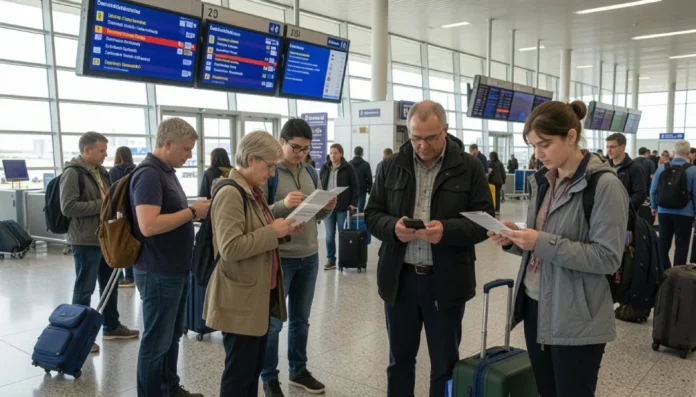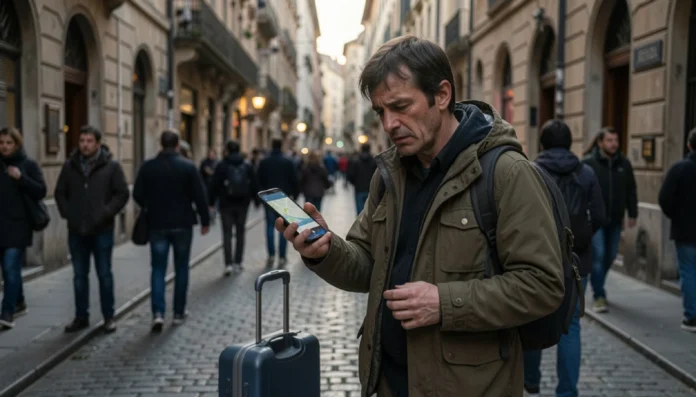
You come home from two weeks abroad. You have 400 photos, a fridge magnet, and receipts from restaurants Google told you were “must-visits.” But three months later, the trip blurs. You remember the airport delays more clearly than the city itself.
This is not a failure of the destination. It’s a failure of design.
Most people plan trips. Few people design travel experiences. The difference isn’t money, time, or even the destination — it’s the intent behind every decision you make before, during, and after you go.
This guide gives you a practical, field-tested framework to shift from consuming travel to actually experiencing it — so you return with memories, not just photos. Updated for 2026: As AI tools make over-planning easier than ever, intentional experience design is more critical — not less.
Quick Answer: Unforgettable travel comes from five intentional stages: (1) Set a clear travel intention, (2) Choose friction over convenience, (3) Build 2-3 hours of unscripted time daily, (4) Engage all five senses deliberately, (5) Reflect nightly on what you lived. These stages align with Daniel Kahneman’s peak-end rule and work at any budget, in any destination.
Why Most Travel Leaves You Feeling Empty
The problem starts at the planning stage. Most people plan around logistics — where to stay, what to see, how to get there. These are necessary, but they’re not the same as designing an experience.
Travel memory research offers a useful lens here. Psychologist Daniel Kahneman’s work on the “peak-end rule” shows that we don’t remember trips as a continuous whole. We remember the emotional peaks — both high and low — and how the experience ended. The average moments disappear.
This means a trip full of “nice” things — nice hotel, nice food, nice views — can leave almost no trace in memory, because nothing created a peak. Meanwhile, getting lost in a market in Marrakech, sharing tea with a stranger, or watching a thunderstorm roll in over the sea from a café in Lisbon — these tend to stick for years.
The Logistics Trap
When you spend 80% of your planning energy on flights, accommodation, and itinerary scheduling, you leave almost no room for the things that actually create memorable moments: spontaneity, depth, and human connection.
Over-planned trips also generate a specific kind of disappointment. You arrive at the “iconic” viewpoint that every travel blog promised would change your life. It doesn’t. You take the photo. You move on. The gap between expectation and reality is wide, and you’ve built no flexibility to find something better.
What Travel Memory Research Actually Shows
Beyond the peak-end rule, research on autobiographical memory points to another factor: novelty. The brain encodes new, unfamiliar experiences more strongly than familiar ones. This is why your first week abroad always feels longer and richer in memory than the last few days, when you’ve adjusted to the place.
Here’s the practical takeaway: Your brain locks in memories when experiences feel genuinely new — not just a new city, but new conversations, unfamiliar smells, unexpected moments. Design for novelty, memory design.
The Tourist-to-Traveler Shift (And Why It’s Not About Budget)
This distinction gets romanticized a lot, usually by people implying that “real” travelers stay in hostels and avoid tourist sites. That’s a false framing.
The actual difference is more specific:
- A tourist consumes a destination. A traveler engages with it.
- A tourist follows a preset script. A traveler holds the script loosely.
- A tourist optimizes for coverage. A traveler prioritizes depth.
You can stay in a luxury hotel and be a traveler. You can backpack for three months and still be a tourist in every city you pass through. The difference is in how deliberately you’re engaging with what’s in front of you.
Budget doesn’t dictate depth. Whether you’re spending $40 a day in Southeast Asia or $400 a day in Japan, this framework works — because unforgettable travel is about attention, not account balance.
The 5-Stage Travel Experience Design Framework
Stage 1: Define Your Travel Intention — The Foundation of Memorable Experiences
Before you book anything, answer one question: What do I actually want this trip to do for me?
This is not about having a life-changing spiritual mission. It’s about being honest with yourself so you make better decisions downstream.
Some practical intention types:
- Skill-based: Learn to cook regional food, speak basic phrases, and understand local history
- Connection-based: Meet people outside your usual social context, spend real time with a culture
- Recovery-based: Slow down, reduce stimulation, restore mental clarity
- Challenge-based: Do something that feels slightly outside your comfort zone
Your intention doesn’t need to be grand. But it needs to exist. Without it, every decision — where to stay, what to do, how to spend a free afternoon — defaults to whatever is easiest or most recommended. Ease and recommendation are not the same as depth.
Once you’ve chosen your intention type, convert it into an ‘implementation intention’ — a specific if-then plan like ‘If I feel overwhelmed by options, then I’ll choose the activity that best matches my connection goal.’ This psychological trigger significantly increases the likelihood you’ll act on your intention when decisions arise on the ground.
Once you have an intention, filter your decisions through it. If your intention is connection, that 5-star resort outside town with all-inclusive meals starts looking less appealing, because it removes almost every opportunity for local contact.
Stage 2: Embrace Strategic Friction — Where Real Memories Are Made
This is the hardest stage for most modern travelers, because the entire travel industry is built to remove friction.
Friction, in this context, means situations where you have to figure something out, adapt, communicate imperfectly, wait, or navigate uncertainty. These moments feel uncomfortable in the moment. In memory, they become the stories you tell. In an era of AI-powered itinerary apps that optimize every minute, choosing strategic friction is a deliberate act of resistance against algorithmic travel.
Practical friction choices:
- Take public transport instead of private transfers — you share space with locals, you see more, you interact more
- Stay in a neighborhood guesthouse or apartment instead of a chain hotel in the tourist center
- Eat where there’s no English menu — point, ask, accept what comes
- Walk routes you haven’t planned, not just to the next attraction
- Take the slow train instead of the fast flight between two cities
None of this requires suffering. It requires choosing slightly less comfort in exchange for significantly more contact with the actual place.
A direct example: the train from Hanoi to Hoi An in Vietnam takes around 12 hours. The flight takes one. Use tools like Rome2Rio to compare all transport options between destinations — not just the fastest. Seeing the train, bus, and ferry routes side-by-side makes it easier to intentionally choose the slower, more immersive option that creates richer memories. The train passengers around you, the changing landscape, the meal bought from a vendor at a small station — these create experiences the flight cannot. The cost is also lower. The inconvenience is real. The return is higher.
Stage 3: Build Protected Unscripted Time — Where Best Moments Happen
Every day of a trip should have at least two to three hours with no plan. Not “free time to explore” in a vague sense — actual protected, empty time where you have no obligation and no schedule.
This is where most of the best travel moments happen.
The overpacked itinerary is one of the most reliable ways to kill a trip. When every hour is accounted for, you can’t follow anything that interests you. You’re always slightly behind, slightly rushed, ticking boxes rather than being present.
How to build this in without anxiety:
- Plan your major activities in the morning when energy is high; leave afternoons open
- Choose two or three things per day, maximum — not five or six
- Give each place more time than the itinerary blogs suggest — most “do X in 2 hours” estimates ignore that the best parts are found after the first hour
Slow travel, in essence, is this: fewer places, more time, more depth. A week in one city will teach you more than a week hopping across six. This approach aligns with the slow travel movement, which prioritizes depth over distance. By joining communities like Slow Travel Forums or following #slowtravel on social media, you’ll find inspiration and practical tips for designing trips that resist the pressure to ‘see it all.’
Stage 4: Engage All Five Senses Deliberately — Encode Stronger Memories
Travel is a full-body experience that most people reduce to a visual one. They look at things. They photograph things. They move on.
Deliberate sensory engagement is about actively using all five senses as a way of being present and encoding memory more strongly.
Practical applications:
- Sound: Sit quietly in a market or public square for 20 minutes with no headphones. Just listen.
- Smell: Create a ‘scent journal’ — note 3 distinct smells each day (street food spices, monsoon rain on cobblestones, local market flowers). Research shows olfactory cues trigger stronger long-term memory recall than visual inputs alone.
- Touch: Handle the materials local artisans use. Feel the texture of architecture. Walk barefoot somewhere safe.
- Taste: Go beyond the famous dish. Ask what people eat for breakfast, for comfort, for celebration.
- Sight: Put the camera down for one hour each day. Look without composing a shot.
Try a quick ‘sensory map’ at the end of each day: sketch a simple 5-point radar chart rating how strongly you engaged each sense. This visual reflection tool helps you spot patterns — like always prioritizing sight over sound — and adjust tomorrow’s choices accordingly.
This sounds simple. It requires actual discipline in practice, because stimulation is constant and the phone is always there.
Stage 5: Capture and Reflect — Not Just Document Your Journey
There is a difference between documentation and reflection.
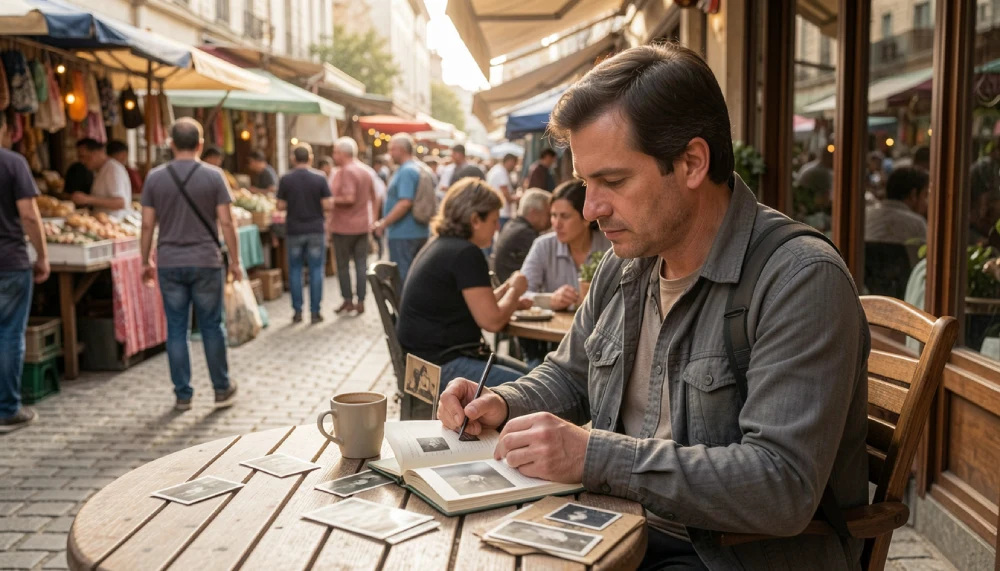
Documentation is taking 300 photos of a temple. Reflection is writing three sentences that night about what you actually felt standing inside it.
Research on memory and experience consistently shows that reflecting on an experience — writing about it, talking about it in a meaningful way — strengthens the memory and extends the positive emotional impact.
Practical reflection methods:
- Keep a small travel journal — digital tools like Day One let you pair photos with short reflections and auto-tag locations, making post-trip review seamless. Even analog works: a pocket notebook dedicated to ‘feelings, not facts’ achieves the same memory-strengthening effect.
- Take 10 intentional photos per day instead of 100 reflexive ones. Choose what’s worth capturing.
- Have one real conversation per day with someone who isn’t a fellow tourist — a shop owner, a café worker, a local you sit next to. Ask something beyond “is the food here good?”
The goal is not to process your trip into a product. It’s to deepen your engagement with what you’re experiencing while you’re in it.
How to Apply This Framework at Any Budget
This framework doesn’t require money. It requires intention and attention, which are free.
Budget travel application ($30–60/day):
- Book guesthouses via platforms like Booking.com’s ‘local stays’ filter or Airbnb’s ‘experiences’ add-on — these naturally facilitate local contact better than hostels in tourist areas
- Street food and market eating are both cheaper and more culturally immersive than restaurants
- Slow overland transport (buses, trains) is cheaper and richer in experience than flights
- Free time is free — and at the budget level, you likely have more of it because your schedule is less packed with paid activities
Mid-range travel application ($80–150/day):
- Boutique locally-owned hotels over international chains
- Food tours and cooking classes over generic sightseeing tours
- Hire a local guide for half a day, not a full packaged tour — ask them where they actually eat
Luxury travel application ($200+/day):
- The risk at this level is isolation — private transfers, resort dining, curated experiences that remove all contact with the place
- Counteract this deliberately: one local market visit, one public transport ride, one unplanned afternoon per trip
The Mistakes That Kill Deep Travel Experiences
These are specific and common:
- Treating the itinerary as a contract. If something unexpected and interesting appears, take it. The plan was a starting point.
- Staying in tourist-center accommodation. The experience of a place changes significantly depending on whether your neighborhood is full of other tourists or full of people who live there.
- Filling every gap with your phone. Boredom is where curiosity starts. Most travelers never allow themselves to be bored.
- Confusing coverage with experience. Seeing seven cities in ten days means you’ve visited them, not experienced them.
- Traveling in a sealed group bubble. When you’re always with people from home, you don’t need to engage with the place. The place becomes a backdrop.
- Skipping reflection entirely. Without any processing, experiences blur into each other. The trip becomes a sequence of events, not a lived thing.
What Intentional Travel Actually Changes
When you apply this framework consistently, a few things shift.
Trips become less about destinations and more about depth. You stop chasing the next place and start extracting more from where you are. Your travel decisions get cleaner because you have an actual criterion — your intention — to filter through.
The more significant shift is post-trip. Trips designed this way stay with you longer. They give you more to think about, more to talk about, and more reference points for understanding how other people live. That’s not a trivial outcome. It’s arguably the actual point.
Travel experience design isn’t reserved for elite travelers. It’s a set of intentional choices — about attention, not budget — that determine whether you return with photographs or with lasting memories. Writing your intention tonight creates an ‘implementation intention,’ a proven psychological trigger that increases follow-through on travel goals. Ready to design your next trip in 2026? Start by writing your travel intention tonight — before algorithms suggest your ‘perfect’ itinerary.
FAQs
Q1: What is travel experience design?
Travel experience design means planning trips around desired feelings and takeaways — not just destinations. Set a clear intention, choose immersive accommodations, build unscripted time, engage your senses, and reflect nightly. Result: travel that stays in memory, not just photos.
Q2: What is the difference between a tourist and a traveler?
The difference is not about budget, backpacks, or avoiding popular sites. It comes down to engagement. A tourist consumes a destination — follows recommendations, covers attractions, and documents it. A traveler engages with it — stays longer in fewer places, interacts with locals, accepts uncertainty, and prioritizes depth over coverage. The shift is a mindset decision, not a financial one.
Q3: How do I make travel more meaningful without spending more money?
Meaningful travel is almost entirely about attention, not spending. Specific ways to get more depth without extra cost:
- Stay in a local neighborhood instead of the tourist center
- Use public transport instead of private transfers
- Eat where locals eat, not where guidebooks point tourists
- Leave afternoons unplanned so you can follow what actually interests you
- Write briefly about each day — even five sentences — to deepen what you retain
None of these costs more. Most cost less.
Q4: What is slow travel, and is it worth it?
Slow travel means spending more time in fewer places instead of moving quickly across many destinations. It is worth it if your goal is depth — understanding a city’s rhythm, building familiarity with a neighborhood, and having enough time for unplanned discoveries. It is not the right fit if your primary goal is covering maximum ground, which is a legitimate goal, but a different one. The trade-off is clear: more places versus more experience of each place.
Q5: Why do I forget most of my travels so quickly?
This is explained by how memory works. Your brain doesn’t store every moment — it stores peaks (highly emotional highs or lows) and endings. A trip full of “nice but unremarkable” moments leaves little trace because nothing created a strong emotional signal. This is especially relevant in 2026, when social media pressure to ‘perform’ travel can overshadow experience. Trips that feel forgettable are usually ones where nothing genuinely surprised you, challenged you, or moved you. Designing for novelty and emotional engagement — not comfort — is what changes this.
Q6: How many activities should I plan per day when traveling?
Two to three, at most. Most travel blogs and itinerary guides overestimate what is actually enjoyable in a day. When you pack five or six activities, you spend the day slightly rushed, ticking boxes, and never fully present at any single place. Two focused activities with unscheduled time around them will consistently produce a better day than six rushed ones.
Q7: How do I connect with locals when traveling?
Start with context, not a cold approach. The easiest points of genuine connection are:
- Neighborhood markets and small shops — transactions naturally open conversation
- Cooking classes, craft workshops, or local sport activities — shared activity removes awkwardness
- Asking specific questions rather than generic ones — “What do people here eat for breakfast?” lands differently than “What should I try?”
- Staying in locally-owned guesthouses — hosts are often more accessible and invested than hotel staff
- Learning five to ten phrases in the local language — effort signals respect and opens doors
Forced “authentic local experience” tours rarely work. Genuine connection happens in low-pressure, everyday situations.
Q8: What is intentional travel planning?
Intentional travel planning means starting with a clear purpose — what you want to experience, learn, feel, or change — and using that to guide every decision. Instead of asking “what are the must-sees in X city,” you ask “what in this city matches what I’m actually here for?” It makes planning faster, reduces decision fatigue on the ground, and produces trips that feel coherent rather than random.
Q9: Is it possible to have deep travel experiences on a tight budget?
Yes, and budget travel often has structural advantages for depth. Staying in guesthouses, eating street food, using public transport, and having fewer paid activities all create more contact with the actual place than a packaged, high-spend itinerary. The main risk at low budget is moving too fast between destinations to save on accommodation — that trades depth for coverage, which defeats the point.
Q10: How do I avoid coming home from a trip feeling like nothing changed?
Three specific things cause this feeling:
- No intention going in — you didn’t define what you wanted, so nothing measured up to anything
- No genuine novelty — you stayed inside a tourist bubble where everything was pre-filtered and familiar
- No reflection — experiences passed through without being processed, so they didn’t settle into memory